
Your Diet Could Be Making You Age Faster, But Scientists Say This Change May Lower Your Biological Age
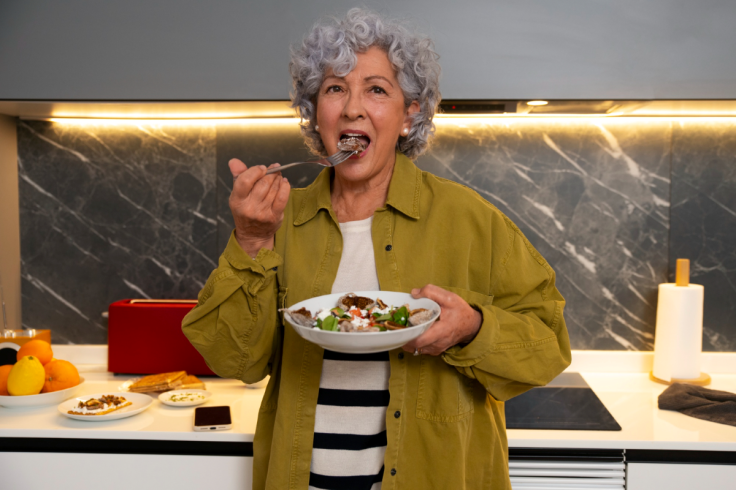
Scientists from the University of Sydney studied 104 adults aged 65 to 75 and found that three of four dietary groups showed reductions in estimated biological age after just four weeks.
The strongest statistical evidence came from people following an omnivorous diet that was lower in fat and higher in carbohydrates.
However, the researchers stress that the findings do not mean ageing itself has been permanently reversed.
What Is Biological Age?
Your chronological age simply counts how many years you have been alive. Biological age, meanwhile, attempts to capture how old your body appears to be based on measures of its health and physiological function.
Two people who are both 70, for example, can have very different levels of inflammation, metabolic health and cardiovascular risk.
For the study, researchers calculated biological age using 20 biomarkers, including cholesterol, insulin and C-reactive protein, a marker of inflammation. These measurements were combined to create a biological-age profile for each participant.
What Did the Study Find?
Participants were randomly assigned to one of four diets. All four provided 14% of their energy from protein, but differed in the proportion of fat and carbohydrates and the amount of protein obtained from animal versus plant sources.
The four groups included omnivorous and semi-vegetarian diets, with each category divided into higher-fat, lower-carbohydrate or lower-fat, higher-carbohydrate versions.
The group following the higher-fat omnivorous diet showed no meaningful change in its estimated biological age. This diet was also closest to what participants had been eating before the study.
The other three groups, however, showed reductions in their biological-age estimates. The strongest evidence came from the omnivorous, lower-fat, higher-carbohydrate group, whose diet provided about 53% of energy from carbohydrates, 28–29% from fat and 14% from protein.
The findings suggest that reducing dietary fat, animal-based protein, or both may influence biological-age-related biomarkers relatively quickly.
Does This Mean Diet Can Reverse Ageing?
Not necessarily. A lower biological-age score based on biomarkers does not automatically mean that a person's underlying ageing process has been reversed.
The study was also relatively small and lasted only four weeks. Researchers do not yet know whether the changes would persist if participants continued with the diets for months or years, or whether they would ultimately reduce the risk of age-related diseases.
The participants were also a specific group of older adults, meaning the findings cannot automatically be applied to younger people or other populations.
'Longer-term dietary changes are needed to assess whether dietary changes alter the risk of age-related diseases,' said Associate Professor Alistair Senior, who supervised the research. Dr Caitlin Andrews, who led the study, similarly cautioned that it is too early to conclude that particular dietary changes will extend lifespan.
What Should You Eat to Age Healthily?
The study does not establish a single anti-ageing diet. Instead, it adds to growing evidence that dietary patterns can influence biological processes linked to ageing.
A separate 2026 study found that 10 healthy dietary patterns, including Mediterranean, Nordic, plant-based and DASH diets, were associated with slower biological ageing.
For now, the new findings are best viewed as an early indication that the body's ageing-related biomarkers may respond to dietary changes faster than previously thought.