
Lexi Thomas Accused of Faking Cancer for a Decade Allegedly Spent $200,000 on Clothes and Travel
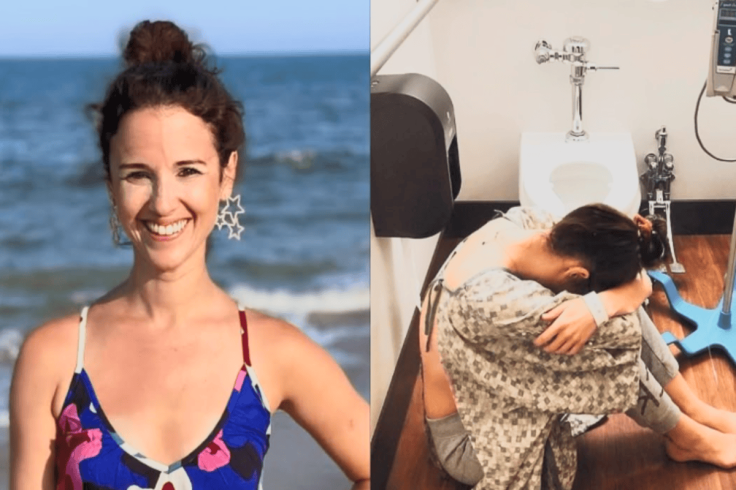
A Maryland woman accused of faking cancer for more than a decade allegedly spent about £150,000 ($200,000) in donations on clothes, travel and entertainment, prosecutors say.
Alexandra 'Lexi' Thomas, 34, was arrested on 19 November on two felony theft charges, one for up to £7,500 ($10,000) and another for up to £19,000 ($25,000), The Baltimore Banner reported.
At a bail review hearing on 23 November, prosecutors said they had spoken with 22 alleged victims and were still investigating, according to People. Thomas, who was first held without bail, is now out on £7,500 ($10,000) bail. She has not entered a plea, and her lawyer did not respond to People's request for comment.
'Sole Survivor' of a Clinical Trial
According to a court filing, Thomas told her husband, Gavin Hannan, that she was 'the sole survivor of a clinical trial' in which 21 other patients had died.
She also allegedly claimed she developed non-Hodgkin lymphoma from her treatment and had a care team of around 80 doctors, including Dr Anthony Fauci.
Hannan, who married Thomas in December 2019, began doubting her diagnosis in August 2025 and filed for an annulment in October 2026. In court papers, he said the doctors she claimed had treated her 'have no record of her ever being a patient', the Banner reported.
Doctored Photos and Fake Emails
The Lexi Con, a podcast by Nancy Moscatiello and Scott Eldridge, the team behind Scamanda, alleges Thomas convinced loved ones she had blood cancer and was taking part in a National Institutes of Health (NIH) study.
The podcast also alleges she doctored photos to make it look as though she was having chemotherapy and impersonated doctors and nurses in emails and texts, per the Banner.
Two GoFundMe pages raised around £105,000 ($140,000) and almost £45,000 ($60,000), per the Banner. GoFundMe says it does not tolerate misuse of its platform and is investigating.
What Non-Hodgkin Lymphoma Really Is
Non-Hodgkin lymphoma is a cancer that affects lymphocytes, the white blood cells that help fight infection, the NHS says.
About 79,320 people in the US will be diagnosed with it in 2026, and around 19,970 will die from it, the American Cancer Society estimates. It can develop at any age, but more than half of patients are 65 or older when diagnosed.
How Real Clinical Trials Protect Patients
Genuine clinical trials are closely watched. NIH-funded clinical trials must have safety-monitoring plans appropriate to their risks, size and complexity. Depending on the study, independent monitors or data and safety monitoring boards may review safety information and recommend whether a trial should continue, be modified or be stopped.
Trials can also be stopped if participants suffer unexpected and severe side effects, Weill Cornell Medicine's Meyer Cancer Center says.
How to Spot a Fake Medical Fundraiser
There are no reliable figures on how many charity scams involve fake cancer diagnoses, AARP says, but a string of high-profile cases suggests the ploy is common.
It advises donors to ask how the organiser knows the patient and what the money is for, and to check whether close family and friends are donating. Suspicious fundraisers can be reported to the platform and, in the US, the Federal Trade Commission.
Read our latest coverage for more on cancer and health scams.