
Micah Parsons Admits ACL and Meniscus Rehab Brought Dark Days and Tested Him Before Packers Comeback
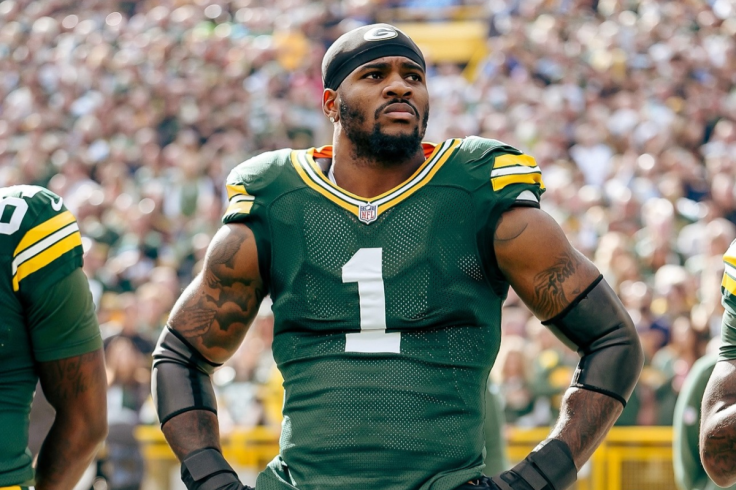
Micah Parsons has been medically cleared to return nearly a year after tearing his ACL and meniscus, but the Packers star admits rehab brought days when he felt he was not getting better. He is expected to make his 2026 season debut on Wednesday against the Los Angeles Rams.
Parsons received final clearance after a conference call with Dr Neal ElAttrache, who performed the surgery. He must still be activated from the physically unable to perform list before Wednesday's game. His playing time remains uncertain.
Dark Days Behind the Comeback
Parsons described what rehab was like on the hard days. The process challenged him to be a better person.
'During this ACL process and meniscus and things like that, you really see some stagnant days,' Parsons said. 'Like where "Damn, I'm not getting better." I went through seasons of hardship, seasons of test, and it challenged me to be a better person.'
Parsons told reporters he does not expect to be his consistent All-Pro self right away, but fans should expect flashes. He feels 'really, really confident' in his body after ramping up.
Long Road Back From Surgery
Parsons was hurt on a non-contact play in Week 15 last season against the Denver Broncos and underwent surgery on 29 December. He returned to practice on 4 November with individual drills only, then added team drills the following week.
Thomson Medical says recovery from ACL and meniscus surgery can take six months to a year. Final clearance for high-impact activity often comes after nine to 12 months, once the knee can handle physical challenges without pain or instability.
Meniscus repair patients typically need a slower progression. They start with low-impact activities such as cycling or swimming before moving to more strenuous work.
What Research Says About Mental Recovery
Research has looked at the mental side of ACL recovery. A mixed-methods study in the International Journal of Sports Physical Therapy examined patients five to 12 months after ACL reconstruction.
Participants were split into high and low kinesiophobia, or fear of movement, groups using the Tampa Scale of Kinesiophobia-11. Both groups reported fear of re-injury, activity avoidance and interlimb asymmetry.
The nine participants in the high kinesiophobia group scored significantly lower on the Knee Injury and Osteoarthritis Outcome Scale (KOOS) quality of life measure, at 56.3 versus 71.9 for the six in the low group. No other measures differed significantly.
The study concluded that fear of movement may have a particularly detrimental impact on perceived recovery. It stressed the importance of assessing psychological factors alongside physical measures.
A separate qualitative study on PubMed Central interviewed nine patients aged 19 to 45 from Norway and the Netherlands, five to nine months after ACL reconstruction. It found that support from physiotherapists helped patients manage fear and build trust.
Psychological readiness was described as an evolving part of recovery. A holistic, individualised approach was recommended, one that supports confidence-building and considers referral to mental health professionals when needed.
Packers Counting on Parsons
Green Bay (6-4) holds the No 7 seed in the NFC, with the Rams (6-4) in ninth. The Packers finished the 2025 regular season with a 9-7-1 record. Parsons led the team with 12.5 sacks despite playing only 14 games.
In his Packers debut, a season-opening win over Detroit, Parsons played 30 of 67 snaps. Asked about adhering to snap limits, he said that once he is in the zone, people do not really mess with you.
'I would say I feel like I've done everything I possibly could to put myself in position to potentially play on Wednesday but for sure this season,' Parsons said on Monday. 'And I'll be looking forward to returning to the field.'