
Neurologist Details How Estrogen Cycles Turn Migraines Into a Predominantly Female Disease
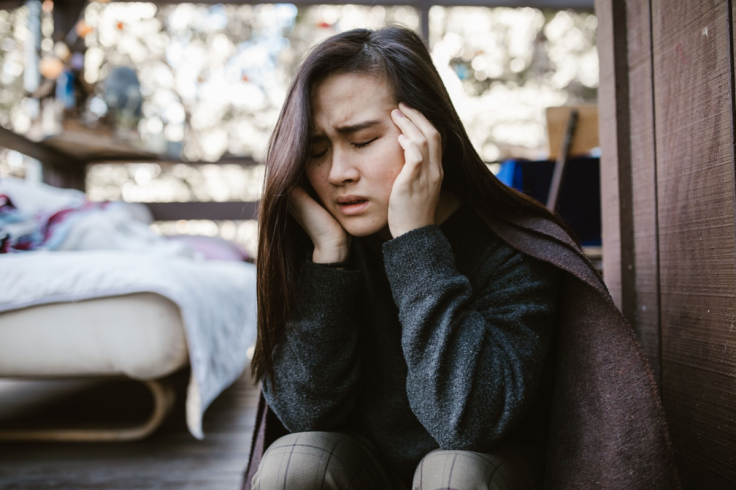
Women are around three times more likely than men to experience migraines, and fluctuations in oestrogen may help explain some of the difference. Neurologist Dr Jessica Ailani says hormonal changes influence susceptibility to attacks, particularly around menstruation and during midlife. The connection also helps explain why migraine patterns can change significantly during pregnancy and menopause.
Why Oestrogen Matters
Migraine is a neurological disease, not simply a particularly unpleasant headache. It can involve severe pain, nausea and sensitivity to light and sound, while its exact causes remain incompletely understood by researchers.
Oestrogen appears to influence how susceptible some people are to attacks. During a menstrual cycle, levels of the hormone rise and fall; the sharp decline shortly before a period is thought to make the brain more vulnerable.
The decline in oestrogen, rather than simply the hormone's presence, is thought to influence migraine susceptibility. Researchers believe hormonal changes may affect several pathways involved in pain signalling, although the precise mechanisms remain unclear.
An estimated 50–60% of women with migraine report a link between their attacks and menstruation. These episodes can be more severe, last longer and prove harder to treat than attacks at other points in the cycle.
The Hormonal Shifts Across a Lifetime
The difference between the sexes becomes more apparent after puberty. Before menstruation begins, migraine prevalence is similar in boys and girls; after menarche, the rate among girls rises. Women experience migraines about three times as often as men.
The perimenstrual window is defined as the two days before menstruation begins through the first three days of bleeding (days −2 to +3). Attacks during this period may also occur in people who experience migraine at other times, rather than being confined to their period.
Hormonal changes can influence symptoms during pregnancy, after childbirth and around menopause, across different stages of reproductive life.
Many women experience fewer migraine attacks during pregnancy, particularly during the second and third trimesters, when oestrogen levels are higher and more stable. However, the experience varies, and some women continue to experience attacks or notice worsening symptoms.
The postpartum period can bring a rapid hormonal fall, while fluctuating levels during perimenopause may make attacks more frequent or severe. Migraine improves for some women after menopause.
What Research Says About the Link
Recent research is adding detail to the picture, while showing why the biology should not be reduced to a single hormone. A 2026 prospective cohort study followed 563 women with migraine and analysed diary data covering 2,627 menstrual cycles.
Researchers found that migraine attacks were most frequent during the perimenstrual window. However, the post-ovulatory period was not associated with an increased incidence of attacks compared with other phases of the menstrual cycle.
The findings, published in Cephalalgia, underline that not every fall in oestrogen carries the same migraine risk. The precise mechanisms remain incompletely understood.
A separate 2026 study analysed hormone measurements from 87 menstrual cycles involving 46 participants. Women with menstrual migraine had a 49% higher mid-luteal oestradiol peak and a 90% greater subsequent decline than healthy controls.
he findings suggest an association between oestradiol fluctuations and menstrual migraine, but do not establish that the hormonal decline alone causes attacks.
For people who suspect a hormonal pattern, keeping a diary of periods, symptoms, medication and attack duration can help identify timing and support a more informed discussion with a healthcare professional.
Frequently Asked Questions
- Why are women more likely to experience migraines than men?Women are more likely to experience migraines due to hormonal fluctuations, particularly changes in oestrogen levels.
- How do hormonal changes affect migraines during a woman's life?Hormonal changes can influence migraine symptoms during puberty, menstruation, pregnancy, and menopause, affecting frequency and severity.
- What role does oestrogen play in migraines?Oestrogen influences the brain's susceptibility to migraine attacks, with fluctuations potentially affecting pain-processing pathways.
- Can keeping a diary help in managing migraines?Yes, keeping a diary of periods, symptoms, medication, and attack duration can help identify patterns and support discussions with healthcare professionals.