
Girl, 8, Developed a Sore Throat — Then She Began Screaming, Biting and Trying to Hurt Her Parents
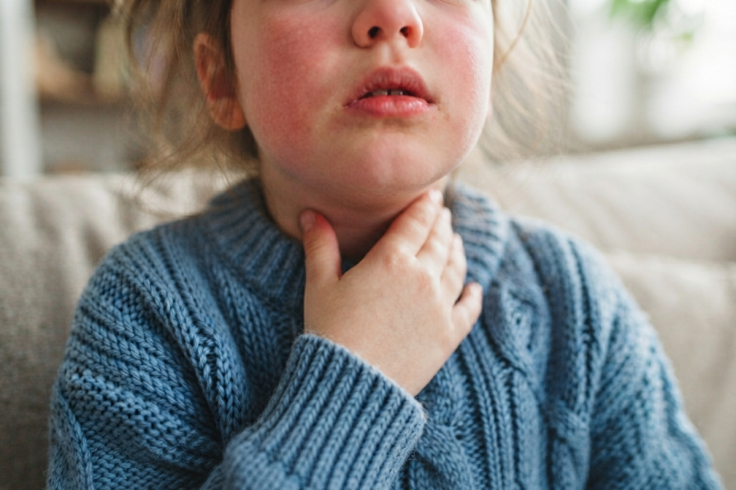
An 8-year-old girl reportedly developed a sore throat before experiencing a dramatic change in her behaviour, including screaming, biting and attempting to hurt her parents.
The child, identified as Rose, initially appeared to have a mild viral illness. Within days, however, she developed involuntary movements, described as feeling as though she was vibrating inside, and later became severely distressed and aggressive. Her parents eventually learned about a condition called paediatric acute-onset neuropsychiatric syndrome (PANS).
What Is PANS?
PANS is a condition characterised by the sudden onset of obsessive-compulsive disorder (OCD) or severely restricted food intake alongside at least two other abrupt neuropsychiatric symptoms.
These can include anxiety, mood changes, irritability, aggression, developmental regression, declining school performance, unusual movements or sensory changes, sleep problems, and urinary symptoms, according to the National Institute of Mental Health (NIMH).
Unlike typical OCD, which can develop gradually, PANS symptoms can reach full intensity within days. The suddenness of the change is one of its defining features.
How Is PANS Linked to Infections?
PANS is thought to have multiple possible triggers, including infections and immune-system disturbances. PANDAS, or paediatric autoimmune neuropsychiatric disorders associated with streptococcal infections, is considered a subtype associated specifically with group A streptococcal infection.
That means a child developing behavioural or neurological symptoms after a sore throat does not automatically have PANS or PANDAS. Strep throat can occur without causing these complications, and PANS can occur without a documented strep infection.
Researchers are investigating whether an abnormal immune response following an infection could contribute to inflammation affecting parts of the brain involved in movement and behaviour. However, the exact mechanisms remain uncertain.
What Symptoms Should Parents Watch For?
The most important feature is a sudden and dramatic change, rather than an isolated behavioural problem.
Parents may notice abrupt OCD symptoms, extreme food restriction, intense anxiety, unexplained aggression, severe mood swings, new tics or other abnormal movements, changes in handwriting or school performance, sleep disruption, frequent urination or new bed-wetting.
The NIMH says PANS and PANDAS are considered rare, and there is currently no single laboratory test that can confirm either condition.
Why Can Diagnosis Be Difficult?
PANS can resemble several other conditions, including OCD, tic disorders, Tourette syndrome, neurological disorders and autoimmune encephalitis. Doctors therefore need to consider a broad differential diagnosis rather than assuming that sudden behavioural changes are caused by PANS.
The American Academy of Pediatrics' clinical report says PANS is 'likely valid', but also notes that evidence remains limited for some proposed treatments. Its guidance recommends thorough medical assessment and established treatments for symptoms such as OCD and tics while research continues.
When Should a Child Get Urgent Help?
A child who suddenly becomes severely confused, aggressive, unusually fearful, unable to eat or drink, develops abnormal movements, or poses a risk to themselves or others needs prompt medical assessment.
Parents should tell clinicians about any recent infections, including sore throat or other respiratory illnesses, and describe exactly when the behavioural or neurological changes began.
Rose's story demonstrates why a sudden, extreme change in a child's behaviour should not simply be dismissed as ordinary misbehaviour. While PANS is uncommon, recognising the pattern can help doctors investigate the full range of possible medical and psychiatric causes.
Frequently Asked Questions
- What is PANS?PANS is a condition characterised by the sudden onset of obsessive-compulsive disorder or severely restricted food intake alongside at least two other abrupt neuropsychiatric symptoms.
- How is PANS linked to infections?PANS is thought to have multiple possible triggers, including infections and immune-system disturbances. PANDAS is a subtype associated specifically with group A streptococcal infection.
- What symptoms should parents watch for in PANS?Parents should watch for a sudden and dramatic change in behaviour, including abrupt OCD symptoms, extreme food restriction, intense anxiety, unexplained aggression, severe mood swings, new tics, changes in handwriting or school performance, sleep disruption, and frequent urination.
- Why can diagnosis of PANS be difficult?PANS can resemble several other conditions, including OCD, tic disorders, Tourette syndrome, neurological disorders, and autoimmune encephalitis, making diagnosis challenging.
- When should a child with potential PANS get urgent help?A child should get urgent help if they suddenly become severely confused, aggressive, unusually fearful, unable to eat or drink, develop abnormal movements, or pose a risk to themselves or others.