
A 'Loneliness Epidemic' Is Growing Among Young People—And Social Media May Not Be the Only Reason
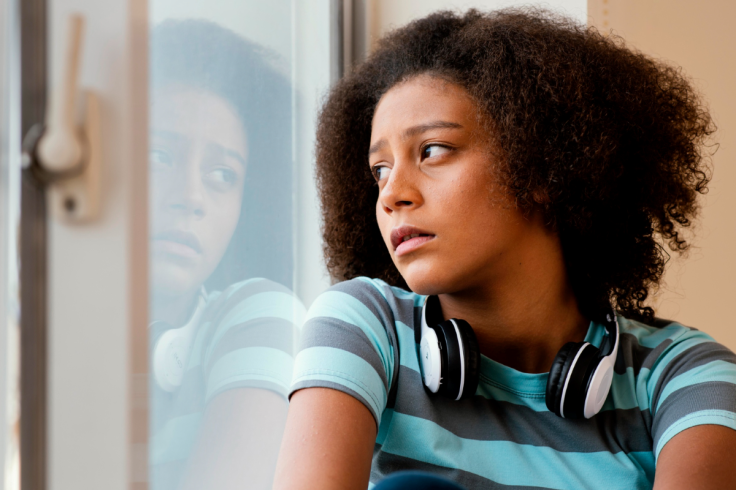
Research from the Institute for Public Policy Research (IPPR) found that one in 20 young people aged 16 to 21 now report having no close friends, compared with one in 100 in 2014.
The findings have raised concerns about the potential impact of growing loneliness and social disconnection on young people's mental and physical health.
Young People Are Losing Close Connections
The report, titled 'The Loneliest Generation', also found a decline in the number of young people with several close friends. Among 16- to 21-year-olds, the proportion reporting at least three close friends fell from 85% in 2012-14 to 72% in 2023-25.
Friendship satisfaction has also declined among younger teenagers. The proportion of 14- and 15-year-olds who said they were completely or very happy with their friendships fell from 86% in 2010-12 to 76% in 2023-25.
The IPPR based its findings on interviews with more than 150 young people and analysis of official data, including information from the Understanding Society dataset.
Is Social Media to Blame?
Social media and the growing popularity of platforms such as TikTok were highlighted as possible contributing factors, alongside 'doomscrolling.'
The report described doomscrolling as a largely solitary activity that has become increasingly common among young people. However, researchers also highlighted the loss of physical spaces where young people can form friendships.
Youth club closures, financial pressures, and fewer opportunities for social interaction have all contributed to what the report described as a weakening of the 'foundations of a good adolescence'. This suggests that simply blaming smartphones or social media may overlook broader changes in young people's lives.
Why Does Loneliness Matter for Health?
Loneliness is more than an unpleasant feeling. Persistent social isolation has been associated with poorer mental and physical health, including depression, anxiety, and increased stress.
The effects can also extend into adulthood. Strong social relationships are generally considered an important component of psychological wellbeing, while prolonged loneliness can affect sleep, stress levels and health behaviours.
Prof Eamon McCrory, chief executive of the Anna Freud mental health charity, previously described this decline in face-to-face interaction as 'social thinning'.
He argued that the loss of real-world relationships, spaces, and infrastructure supporting adolescent development may help explain rising rates of anxiety, depression, and self-harm among young people.
Andy Bell, chief executive of the Centre for Mental Health, said the report presented 'a very worrying picture' of young people's experiences. 'Isolation and loneliness are toxic to our mental and physical health, and young people feel increasingly alone,' he said.
Why Are Young People Feeling Stuck?
The IPPR also linked loneliness with wider economic pressures. The average age of a first-time home buyer has reached 34, while almost one in five young people aged 20 to 29 reportedly spend half of their income on rent.
At the same time, fewer young people are entering apprenticeships, while the number classified as not in education, employment or training (NEET) has grown.
The report argued that these pressures can leave young adults in a prolonged period between childhood and independence, limiting their opportunities to develop confidence, relationships, and a sense of control over their futures.
For families, educators and healthcare professionals, the findings highlight why persistent loneliness should not be dismissed as simply a normal part of growing up.
While social media may contribute to disconnection, the evidence points to a much broader problem, one involving friendships, physical social spaces, economic insecurity and young people's ability to participate fully in society.