
Sister' SNL Sketch Strikes a Nerve as Experts Warn Unpaid Elder Care Is Taking a Toll on Women's Health
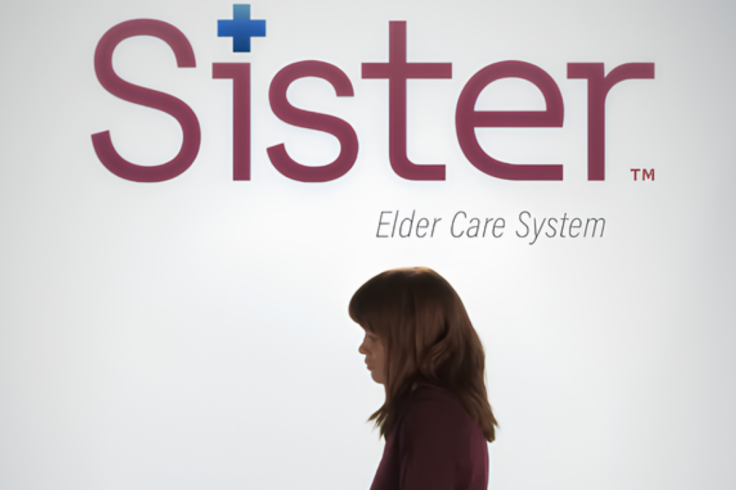
A viral Saturday Night Live sketch about a fictional elder-care service called 'Sister' has renewed attention on unpaid elder care and the work women do for aging relatives. Research has linked family caregiving with poorer health and wellbeing, with women more likely than men to provide intensive care and experience several measures of strain.
The Sketch That Made Family Caregiving Visible
The sketch aired on 14 November, with John Mulaney playing a salesman for 'Sister', a free, round-the-clock care service that is also the customer's sister.
Jane Wickline played the woman expected to manage their father's medication, appointments and personal needs, allowing her brother to return to his own life. The joke targets the assumption that a daughter will absorb the work without discussion or payment.
A 2025 report by AARP and the National Alliance for Caregiving estimated that 63 million Americans provided ongoing care to someone with a complex medical condition or disability. Women accounted for 61% of family caregivers.
A separate report published by the organisations in November 2026 found that family caregivers experienced an average of seven poor mental-health days in the previous month. Nearly two-thirds (64%) reported moderate to high emotional stress, while 45% experienced moderate to high physical strain.
What Unpaid Elder Care Means for Women's Health
Rita Choula, senior director of caregiving at the AARP Public Policy Institute, said the expectations surrounding elder care needed to change. Speaking to CBS News, she said women were increasingly providing care with little to no assistance, with consequences for their health, financial security and other aspects of their lives.
Senior director of caregiving at the AARP Public Policy Institute, Rita Choula, says the norms around elder care “really need to change” after a “Saturday Night Live” skit made waves on social media and struck a nerve with some viewers.
— CBS News (@CBSNews) November 25, 2026
“We see, increasingly, women providing… pic.twitter.com/RMbnIzX1PJ
Women reported poorer health and wellbeing than men on seven of the nine measures examined. They were also more likely to provide constant care, perform medical and nursing tasks and spend more hours caregiving.
The findings do not mean caring for a relative inevitably causes illness; they show that the demands surrounding care are associated with poorer outcomes.
Workload mattered. People providing at least 21 hours of care a week were almost three times as likely to report high physical strain as those providing 20 hours or less.
Caregivers who found medical and nursing tasks difficult were particularly vulnerable: 74% reported high emotional stress, compared with 39% of those who found the tasks easy or neutral.
The Cost Is Not Only Physical
The strain can extend into employment and financial security. AARP's 2025 research found that around six in 10 family caregivers were employed, with half of working caregivers reporting disruptions such as arriving late or leaving early.
Nearly half (47%) experienced at least one negative financial impact, including taking on debt or stopping savings.
A University of Michigan study published in October 2026 estimated that women in the US could expect to spend 7.1 years of their lives caring for older relatives or friends, compared with 4.2 years for men.
The gap was close to three years and had widened since 2011, when women's estimated lifetime caregiving stood at six years.
The difference appeared across personal assistance, household tasks, transport and medical support. It did not apply to spousal care, where men and women could expect to spend similar amounts of time caring for a partner.
The sketch's fictional service has no rota, wage bill or mechanism for sharing the work. Real families need those conversations.
The findings suggest unpaid elder care is also an issue for employers, health services and policymakers, particularly when relatives provide complex care without adequate training or support. For women carrying the greater share, recognition matters; practical help matters more.