
Veteran Dies After Ambulance Wait: Is Queensland's Emergency Health System Failing Patients?
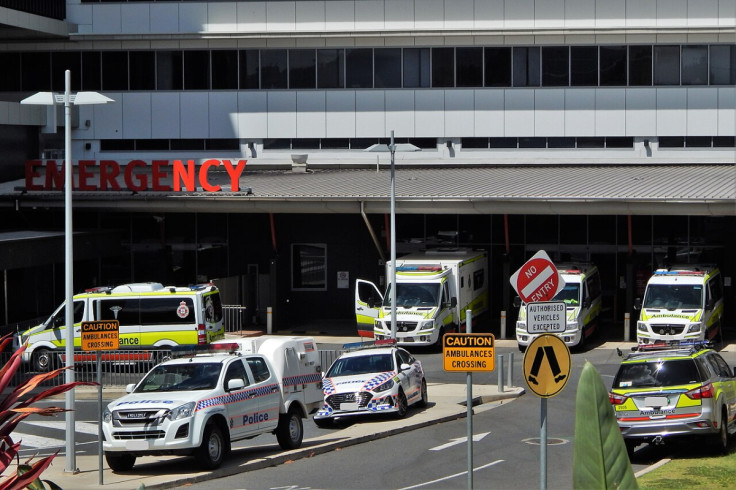
A veteran died after waiting 18 hours for an ambulance. That case has become part of a bigger question for Queensland: how safe is the emergency health system when people cannot get help in time?
The man was 77 years old. He was an Australian Navy serviceman from Thornlands. He died after his wife reportedly called Triple Zero (000) again and again. The family said they do not know if he could have been saved. They are waiting for the coroner to find out what happened.
This is not the only case that worries people. Queensland has seen deaths involving patients who were waiting for ambulances. That has led to scrutiny of emergency services and the hospitals that are supposed to take those patients in.
On 24 November, Health Minister Tim Nicholls faced reporters for his first lengthy press conference since the deaths became a major public issue. He confirmed he had spoken with several families affected. He said he had offered to make the clinical incident reviews available to the families.
He also pushed back on claims that he had been avoiding the media. Still, the Opposition Leader, Steven Miles, criticised how the minister handled things. He argued that families deserved more than statements.
Why are ambulances waiting outside hospitals?
One of the problems is called ambulance ramping. This happens when paramedics reach a hospital but cannot transfer a patient into the emergency department's care within the recommended 30 minutes. It can reflect wider hospital pressures, including a lack of available beds, staffing constraints and delays in moving patients through the hospital system.
The ambulance crew may then stay with that patient. They cannot go out into the community to answer another emergency call.
The size of the problem is troubling. ABC News reported that in August, 42% of ambulance patients arriving at Queensland's 26 public hospitals waited more than 30 minutes to be handed over to emergency department care.
That number was only a little lower than the 43.9% recorded in August 2024. The government has set a goal of bringing ramping below 30 per cent by 2028.
What does this mean for patients?
For someone in an emergency, waiting is not just a nuisance. It can affect how fast a serious condition is spotted and treated.
A stroke, a heart attack or a severe infection may need assessment and care. In cases like these, delays can raise the risk of complications. In some situations, they can lead to lasting damage or death.
Paramedics do more than drive people to hospital. They can assess patients, check signs and start treatment before the hospital is reached. When crews are stuck waiting to hand over patients, other people in the community may have to wait for an ambulance.
None of this proves that ramping caused the veteran's death. His family's questions and the details of the delay are still under investigation.
Will more hospital beds solve the crisis?
The Queensland government is pointing to hospital space as part of its answer. Nicholls said a build-out at Princess Alexandra Hospital would add 249 beds. Work is expected to be finished by the end of 2027. The beds will take time to become available.
The crisis is about more than bed numbers. Staffing, emergency department space, how patients are moved through hospitals and access to aged care all affect how quickly hospitals can admit and discharge patients.
For families who have lost someone, future targets are not enough by themselves. They want answers about what went wrong and what will change.
Queensland now has to show that emergency care can reach people when they need it. Families should not be left waiting for answers after a tragedy.