
One Million Deaths Already Attributed to Drug Resistance as WHO Warns of 39 Million More
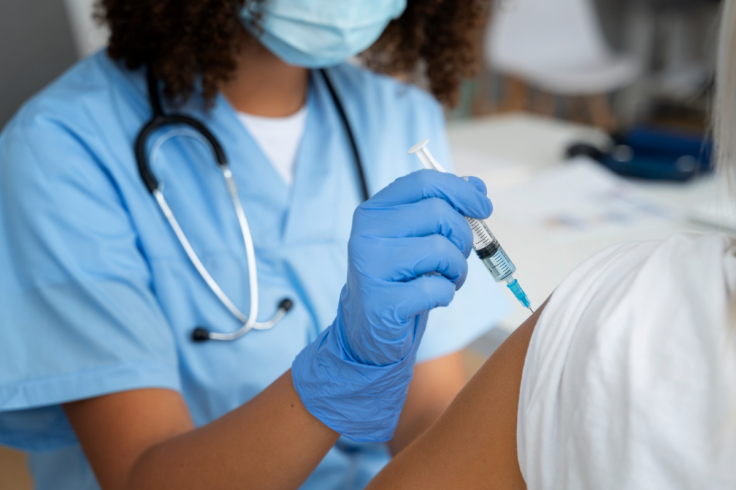
Routine surgery, childbirth and cancer treatment could become increasingly dangerous as infections develop resistance to medicines designed to eliminate them. The World Health Organisation (WHO) has warned that drug-resistant bacterial infections could cause an estimated 39 million deaths worldwide between 2025 and 2050 if current trends continue.
The warning comes as health officials report that drug-resistant infections are already claiming millions of lives, while global progress in preventing their spread and developing effective treatments remains insufficient.
Bacterial antimicrobial resistance was directly responsible for more than one million deaths in 2021 and associated with approximately 4.7 million deaths, according to estimates cited by the WHO. The agency estimates that deaths attributable to drug resistance could reach 39 million between 2025 and 2050 if current trends continue.
Jean-Pierre Nyemazi, acting director of the WHO's AMR department, said the problem was threatening the future of modern medicine.
'Unlike COVID-19, which was very visible, drug-resistant infections have been taking people's lives for years without us noticing it and raising the alarm as we should,' he said during a virtual conference on antimicrobial resistance on 16 November.
How Antimicrobial Resistance Threatens Modern Medicine
Antimicrobial resistance occurs when bacteria, viruses, fungi and parasites develop the ability to survive medicines designed to kill them or stop their spread.
Although resistance can develop naturally, the inappropriate and excessive use of antimicrobial medicines accelerates the process. Taking antibiotics when they are unnecessary, using the wrong medicine or taking them incorrectly can contribute to the emergence and spread of resistant microorganisms.
The consequences extend beyond infections that become difficult to treat. Drug resistance can undermine medical procedures that depend on effective infection control, including organ transplants, cancer treatments and major surgery.
Pregnant women and newborn babies are also vulnerable because infections that respond poorly to available treatments can cause serious complications. Patients with weakened immune systems may face additional risks when conventional medicines become ineffective.
The WHO's latest global surveillance estimates show that approximately one in six bacterial infections worldwide in 2023 was resistant to the antibiotics used to treat it.
Global Efforts to Combat Drug Resistance Remain Insufficient
Despite growing international recognition of the problem, countries are struggling to translate commitments into effective action.
A WHO assessment covering 183 countries in 2026 found that 173 had developed national action plans to address antimicrobial resistance, compared with 79 countries in 2017.
However, only 42 countries reported having national action plans that were funded and fully implemented, highlighting the gap between developing policies and putting them into practice.
Pravasha Prakash, an AMR technical officer at the WHO, said countries needed to accelerate progress to meet international targets for 2030.
Limited access to diagnostic testing is another major obstacle. Without reliable laboratory results, healthcare professionals may struggle to identify the microorganisms responsible for infections and determine which medicines are likely to work.
Sylvia Bertagnolo, the WHO's head of AMR surveillance, warned that 'without testing, clinicians must treat without knowing the cause of infection or which antibiotic will work'.
WHO Introduces New Tools to Strengthen Disease Detection
To improve countries' ability to identify and monitor resistant infections, the WHO announced two new diagnostic resources.
One outlines the essential tests that should be available throughout healthcare systems, from primary care centres to referral hospitals. The second provides 73 laboratory procedures covering sample collection, pathogen identification and antibiotic susceptibility testing.
The agency also highlighted vaccination, infection prevention, improved access to clean water and sanitation, and responsible antimicrobial use as essential measures.
Ultimately, tackling antimicrobial resistance will require sustained investment in healthcare infrastructure, better diagnostic capabilities and responsible prescribing practices.
Without faster international action, infections that were once routinely treatable could increasingly threaten lives and undermine decades of medical progress.