
South Korea Births Surge 14.3% in Record Rebound as Fertility Rate Climbs To Seven-Year High
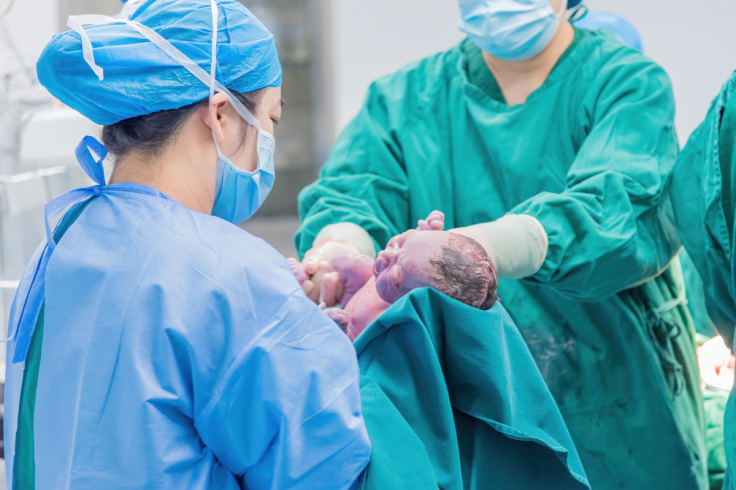
South Korea recorded 218,896 births between January and September, a record 14.3% increase on the same period a year earlier, according to figures released by the Ministry of Data and Statistics on Wednesday. The third-quarter total fertility rate reached 0.90, its highest level for that period since 2018.
Births have risen year on year for 27 consecutive months, since July 2024. The figures mark a sharp reversal after a prolonged decline, although deaths still exceeded births in September and the population continued to decrease naturally.
The ministry's September population trends report counted 27,303 more births in the first nine months of the year than in the same period last year. It said the 14.3% increase was the strongest since comparable records began in 1981.
South Korea Births Rise Across the Quarter
A total of 73,091 babies were born in the third quarter, up 7,872, or 12.1%, on the previous year. It was the highest third-quarter total in seven years. September recorded 25,113 births, a 12.2% increase and the highest figure for that month since 2018.
The monthly total fertility rate was 0.95 in September, compared with 0.85 a year earlier. For the quarter, it stood at 0.90, up from 0.81. The total fertility rate estimates the average number of children a woman would have over her lifetime, based on current age-specific birth rates.
Birth rates increased across several age groups. In September, the rate for women aged 30 to 34 was 87.4 births per 1,000 women, up 8.6 on the previous year. For women aged 35 to 39, it was 64.5, an increase of 8.4. Rates also rose among women aged 25 to 29 and those aged 40 or older.
A ministry official attributed the broader rise in births to an increase in marriages over the previous two years, a larger population of women in their 30s and more positive attitudes towards having children.
The figures show a sustained rise, but they do not establish whether the trend will continue throughout the year. If it continues through the fourth quarter, the annual fertility rate could return to the 0.9 range for the first time since 2019.
The quarterly rate was 0.95 in the first quarter, fell to 0.88 in the second and rose to 0.90 in the third.
South Korea Births Rise as Marriages Dip
Marriage registrations, often viewed as an indicator of future births, fell in September. There were 16,299 marriages, down 11.7% year on year. Across the third quarter, registrations fell 0.8% to 57,799, ending 11 consecutive quarters of annual increases.
The ministry cited fewer registrations during the Chuseok harvest holiday and couples delaying paperwork ahead of planned marriage support payments in 2027.
Under the government's 2027 budget proposal, couples who register from 1 January 2027 would receive 500,000 won ($375 or £255) per spouse, or 1 million won ($750 or £510) per couple.
Yoon Eun-gyeong, director of the ministry's population trends division, said some couples may have postponed registration in anticipation of the subsidy. She cautioned that it was too early to conclude that marriages were in sustained decline.
September's fall also followed a sharp rise in marriages a year earlier, making the comparison less straightforward. The quarterly decline is the first since the run of year-on-year increases began in the first quarter of 2024.
The birth rebound has not stopped natural population decline. In September, 29,818 people died, 6% more than a year earlier. Deaths outnumbered births by 4,705, while the natural decrease for the third quarter reached 15,957.