Not Pregnant but Your Period Is Late? What Your Body May Be Telling You
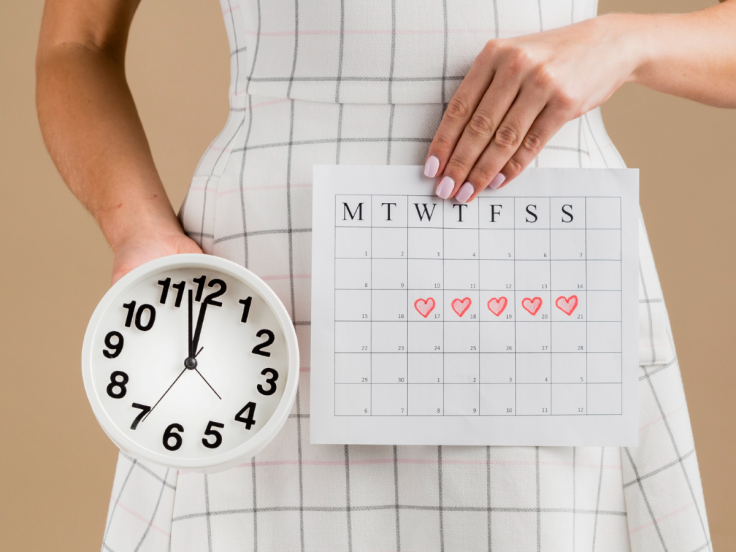
A late period is often one of the first signs people associate with pregnancy, but pregnancy is only one possible explanation. Menstrual cycles can be affected by a wide range of factors, including stress, hormonal changes, lifestyle changes, nutrition, exercise, and underlying health conditions.
While an occasional late period is usually not a cause for concern, ongoing irregular cycles may be a sign that something in the body needs attention.
How Late Is Considered a Late Period?
A menstrual cycle is counted from the first day of one period to the first day of the next. Although the average cycle is often described as 28 days, many healthy cycles fall outside this range.
A period may be considered late if it does not arrive when expected based on your usual pattern. However, what is 'normal' varies between individuals.
A cycle that occasionally arrives a few days later than expected is common. But consistently irregular cycles, particularly those lasting more than 40 days, may warrant further investigation.
Amy Beckley, a hormone scientist and founder of Proov, explains that periods are closely linked to ovulation timing.
'A woman's period is controlled by when she ovulates,' she says. 'Therefore, late ovulation can make the period late.'
Stress and Lifestyle Changes
Stress is one of the most common reasons for a delayed period. When the body experiences prolonged physical or emotional stress, it can affect the communication between the brain and reproductive system.
The menstrual cycle is controlled by a complex interaction between the brain, pituitary gland, and ovaries. High levels of stress hormones can interfere with the signals needed for regular ovulation.
Major life changes, emotional distress, illness, disrupted sleep, travel, or significant changes in daily routines may all contribute to a delayed period.
Hormonal Changes and Perimenopause
Hormonal fluctuations are another common cause of irregular periods, particularly as women approach menopause.
During a typical menstrual cycle, ovulation occurs around cycle day 14 to 18. After ovulation, the body produces progesterone for around 10 to 15 days. If pregnancy does not occur, oestrogen and progesterone levels drop, triggering menstruation.
However, if ovulation happens later than usual or does not happen at all, the period may be delayed.
Beckley says this is particularly relevant during perimenopause, the transition period before menopause.
'A woman in late perimenopause, 45-50, will see significant decline in ovarian function. Meaning the ovaries are shutting down. This makes ovulation less consistent and periods more irregular.'
Perimenopause-related changes can also cause symptoms such as hot flushes, night sweats, mood changes, sleep problems, and changes in bleeding patterns.
Polycystic Ovary Syndrome (PCOS)
Polycystic ovary syndrome (PCOS) is one of the most common hormonal conditions affecting women of reproductive age and can cause irregular or missed periods.
PCOS can affect ovulation, meaning an egg may not be released regularly. Without consistent ovulation, hormone levels can fluctuate and periods may become unpredictable.
Other possible symptoms of PCOS include:
- Excess facial or body hair
- Acne
- Weight changes
- Thinning scalp hair
- Difficulty becoming pregnant
Anyone experiencing ongoing irregular periods alongside these symptoms should speak with a healthcare professional.
Weight Changes and Nutrition
Significant changes in body weight can affect menstrual cycles.
Rapid weight loss, restrictive dieting, or not consuming enough calories can reduce the hormones needed for ovulation. Similarly, significant weight gain may also influence hormone balance.
Dr Theresa DeLorenzo, sports, menopause and body image dietitian, says one common misconception is that exercise itself causes missed periods.
'"I lost my period because I run so much." This is a common misconception. The amount of exercise someone does has no impact on menstruation. Not eating enough calories to support the exercise is what causes amenorrhea, loss of menstruation.'
When the body does not receive enough energy to support its needs, it may reduce reproductive hormone production. This condition is known as Relative Energy Deficiency in Sport (RED-S).
RED-S can affect both female and male athletes and may lead to symptoms including:
- Fatigue
- Declining performance despite continued training
- Repeated injuries
- Poor recovery
- Reduced bone health
DeLorenzo explains that reduced hormone production can affect oestrogen levels, potentially increasing the risk of bone problems such as stress fractures.
Excessive Exercise

While regular exercise generally supports overall health, intense training combined with insufficient nutrition can disrupt menstrual cycles.
This is particularly relevant among endurance athletes, dancers, and people engaging in high levels of physical activity while restricting food intake.
Ensuring adequate energy intake is important. DeLorenzo notes that athletes need sufficient calories to support both exercise demands and normal bodily functions.
Thyroid Problems
The thyroid gland produces hormones that influence metabolism and many bodily processes, including menstruation.
An underactive thyroid (hypothyroidism) or overactive thyroid (hyperthyroidism) can affect cycle regularity.
Other signs of thyroid problems may include:
- Unexplained weight changes
- Fatigue
- Changes in body temperature sensitivity
- Hair changes
- Mood changes
- Changes in heart rate
A GP can assess thyroid function through a blood test if thyroid issues are suspected.
Iron Deficiency
Low iron levels may also contribute to menstrual irregularities, particularly among people with demanding exercise routines or heavy periods.
DeLorenzo explains that the body may reduce menstruation when iron stores are low.
'The body is smart and knows to not lose iron when stores are already low.'
Iron deficiency may also cause:
- Tiredness
- Shortness of breath
- Dizziness
- Reduced exercise performance
- Pale skin
Iron-rich foods include meat, poultry, beans, cooked spinach, broccoli, raisins, chia seeds, and hemp seeds.
When Should You See a GP About a Late Period?

A single late period is usually not a reason to panic, especially if there is an obvious explanation such as stress, illness, travel, or a temporary lifestyle change.
However, it is worth speaking with your GP if:
- Your periods are consistently irregular
- Your cycles are longer than 40 days
- You miss periods repeatedly
- Your period stops for three months or more without explanation
- You experience pelvic pain, unusual bleeding, or other concerning symptoms
- You are trying to conceive and have irregular cycles
Beckley highlights that regular periods are not only important for fertility but can also provide insight into overall health.
'Having a regular period is not just about conception, but rather is an indicator of good health for a woman and should be tracked more closely to optimise her overall health.'
What Can You Do to Support a Healthy Cycle?
Tracking your menstrual cycle can help identify patterns and changes over time. Useful information to record includes:
- Period dates
- Cycle length
- Bleeding patterns
- Symptoms
- Lifestyle changes
- Stress levels
Supporting overall health through balanced nutrition, adequate sleep, stress management, and appropriate exercise can also help maintain hormonal balance.
The Bottom Line
A late period does not always mean pregnancy. Stress, hormonal changes, PCOS, thyroid problems, nutritional deficiencies, and insufficient energy intake can all affect when menstruation occurs.
While occasional delays are common, persistent irregularity should not be ignored. Your menstrual cycle can provide valuable information about your wider health, and speaking with a healthcare professional can help identify and address any underlying causes.