
What Is Scurvy? The Warning Signs of Severe Vitamin C Deficiency
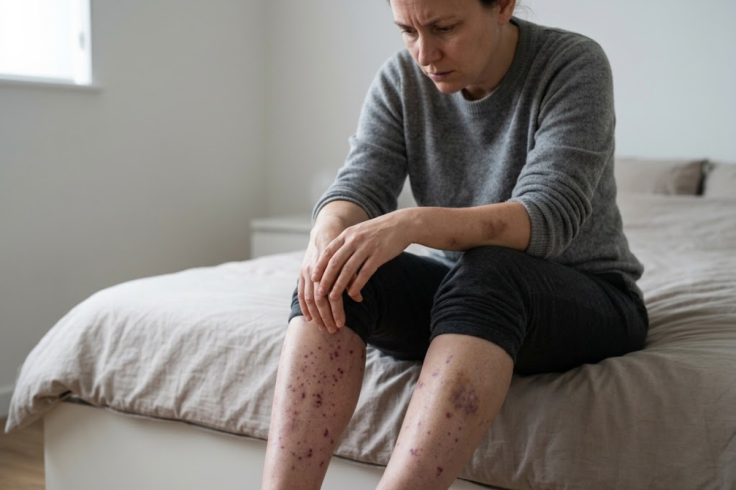
Scurvy is a severe form of vitamin C deficiency. Many think of it as a disease from centuries past. Doctors say it can still cause serious harm today.
Left untreated, it can lead to organ failure, seizures and death. The illness develops when the body lacks vitamin C for months.
Cooking can destroy some of the vitamin in food, while a poor diet remains the most common cause. Vitamin C helps repair skin, bone and connective tissue, according to the Cleveland Clinic.
It also helps the body absorb iron. Without it, the body cannot make enough collagen.
Collagen holds skin, joints and blood vessels together. Symptoms usually begin within four to twelve weeks of poor intake, according to a StatPearls review hosted by the National Library of Medicine.
Early Warning Signs
Early symptoms are often vague, including tiredness, weakness and irritability. Joint pain is also common early on.
If deficiency continues, symptoms grow more serious. Gums can swell and bleed easily, and teeth may loosen.
Bruising can also appear with little apparent cause. Skin can become rough and scaly, and legs may swell.
Hair can become dry and brittle, sometimes coiling like a corkscrew. Old wounds may reopen, and new ones may fail to heal.
Children and Vulnerable Groups
Children with scurvy often show irritability and pain on movement. Loss of appetite can follow, the Cleveland Clinic notes.
Many affected children fail to gain weight. Around 80 per cent show joint or bone-related symptoms, according to the StatPearls review. A limp or reluctance to walk can be an early clue.
A recent Australian case shows how serious this can become. A coroner ruled vitamin C deficiency was the 'most likely underlying factor' in the death of six-year-old Connor Dean.
Connor had Down syndrome. His paediatrician had long-standing concerns about his growth and said his diet did not meet his needs.
The paediatrician believed supplements were covering the gap, but later found that the multivitamin that Connor was then taking contained no vitamin C. The coroner made no finding on the multivitamin's role, and its maker disputed any link to Connor's death.
He suffered a cardiac arrest after a general anaesthetic and died in August 2024, weighing 14.1 kg at the time of his death.
His family had noticed changes a month earlier. His walk shifted from wide-based to shuffling, then limping, before he refused to bear weight.
What Puts People At Risk
Scurvy is rare in the UK, as most diets naturally include enough vitamin C. Even so, some groups remain vulnerable.
These include babies and young children, older adults living alone, and people with restrictive diets. Limited access to fresh produce is a major factor.
Smoking and alcohol dependency also raise the risk. Malabsorption conditions can impair absorption, and developmental disabilities can make varied eating harder.
Diagnosis and Treatment
Doctors usually diagnose scurvy through symptoms and history, often with a physical examination. Blood tests measuring vitamin C levels can help confirm it.
Treatment is straightforward once identified, involving dietary changes and supplementation. Children can take up to 300 mg a day.
Adults may need between 500 mg and 1,000 mg, per the Cleveland Clinic. Most people feel better within 48 hours, with full recovery often achieved within two weeks.
Some symptoms take longer to clear. Corkscrew hairs can take up to a month, per the StatPearls review.
The Australian case shows how easily vitamin C deficiency can be missed. The coroner could not confirm exactly what caused Connor's arrest, but supported clinicians who considered deficiency the most likely cause.
Frequently Asked Questions
- What is scurvy?Scurvy is a severe form of vitamin C deficiency that can lead to serious health issues if untreated.
- What are the early warning signs of scurvy?Early symptoms include tiredness, weakness, irritability, and joint pain.
- Who is at risk of developing scurvy?Vulnerable groups include babies, young children, older adults living alone, and people with restrictive diets.
- How is scurvy diagnosed?Doctors diagnose scurvy through symptoms, history, physical examination, and blood tests measuring vitamin C levels.
- What is the treatment for scurvy?Treatment involves dietary changes and vitamin C supplementation, with most people recovering within two weeks.