
US Approves Controversial Organ Recovery Procedure That Restarts Blood Flow After Patients Are Declared Dead
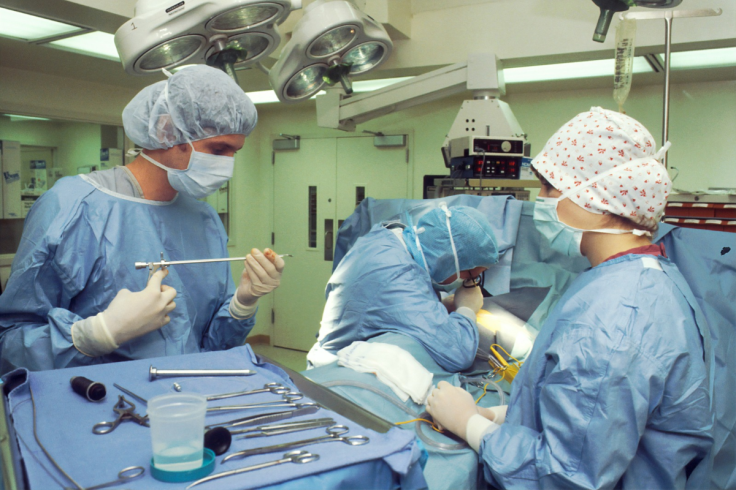
Signs of life have appeared in some organ donors after blood was restored to their brains, even though they had been declared dead. Now the US has approved its first national policy for the procedure, but critics say it falls short.
Dr Claire Morgan, a transplant surgeon on the Organ Procurement and Transplantation Network (OPTN) Patient Affairs Committee, was the first to report such cases to the Health Resources and Services Administration (HRSA). She called them 'extremely disturbing'.
The procedure, called normothermic regional perfusion (NRP), can be used after a family withdraws care because there is no hope of meaningful recovery. Minutes after death is declared, doctors attach an external pump that restores blood flow to organs.
What the New Rules Require
The OPTN board of directors approved the first phase of the first uniform national guidelines for NRP on 6 November. The rules follow an investigation prompted by the brain reperfusion cases and take effect on 6 December.
The policy requires the NRP team to take all necessary steps to prevent blood from reaching the brain, including securing, cutting and venting blood vessels at risk of allowing cerebral perfusion.
It also prohibits the use of paralytic agents during NRP because they could mask movements or other potential signs of life. Together, the measures are designed to protect potential donors.
Dead Donor Rule Under Scrutiny
Critics say NRP violates the Dead Donor Rule, which says surgeons can only take organs after a patient is dead from brain death or circulatory death. NRP restarts circulation, which they say reverses the very condition used to declare death.
Dr Lainie Friedman Ross, a University of Rochester bioethicist, said death by circulatory criteria means no attempt will be made to re-establish circulation. She argued NRP does exactly that, taking organs from people who are no longer dead.
Dr Matthew DeCamp, a University of Colorado bioethicist, called the policy 'the cart before the horse'. He said the fundamental issues remain unresolved, and critics fear the policy could speed NRP's use before those questions are aired.
Critics say the safeguards add little because most surgeons already clamp and vent blood vessels to the brain. In their view, the policy offers much the same protection donors already had.
How Supporters Defend NRP
Dr Raymond Lynch, director of transplantation at the Health Resources & Services Administration, said NRP could increase the supply and quality of organs and is safe when done properly. More than 109,000 Americans await an organ, and about 12 die every day.
Dr Jean Botha, medical director of Intermountain Health's abdominal transplant programme, said abdominal NRP does not restart the heart and confirms there is no blood flow to the brain. He said this satisfies accepted ethical and legal principles.
Dr Emil J. N. Busch of the University of Oslo said concerns that NRP counters the declaration of death are misguided. He said it restores only regional blood flow, not integrated function, so the organism as a whole remains deceased.
Supporters say NRP gives more patients a chance at life-saving transplants and lowers the risk of dying on the waiting list. They also cite fewer postoperative complications and shorter hospital and ICU stays.
Ethics Bodies Urge Transparency
The OPTN ethics committee recommended consistent and transparent protocols and said potential donors and families must be well informed before they are asked to consent. It also cited a lack of consensus among legal scholars on NRP's legality.
The American College of Physicians, in a 2021 statement, supported organ donation but raised ethical concerns about NRP. It noted organs can be perfused by machines outside the body without restarting circulation.
Transplant workers hold moral concerns on both sides, with some questioning NRP and others asking whether opposing it could deny someone a life-saving organ. Potential harm to public trust in the organ donation system is another concern.