
Child Poisonings From Drug Edibles Surge 3,307% in the US as Experts Warn Parents To Lock Them Away
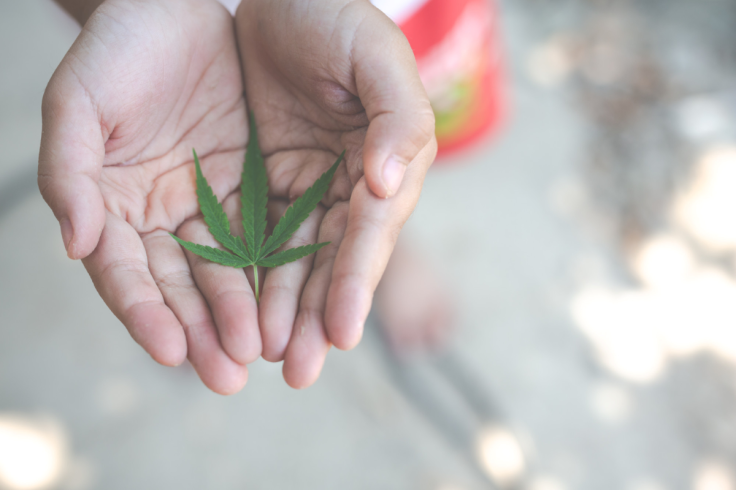
Accidental poisonings from recreational drugs among young children in the US have surged by 3,307% in 25 years, with cannabis edibles now driving much of the rise, new research has found.
The study, published in BMC Public Health, analysed 41,612 reports involving children under six made to US poison centres between 2000 and 2024. The rate increased from 1.05 cases per 100,000 children in 2000 to 35.91 in 2024.
Researchers from Nationwide Children's Hospital and the Central Ohio Poison Center said the increase became particularly rapid from 2013 onwards.
Toddlers Face the Greatest Risk
Children under three accounted for 57.6% of the reported ingestions, while 96.4% occurred in a residence. This means many incidents happened in the same environment where children should be safest, with drugs accidentally left within reach.
Marijuana products accounted for 77% of all reported ingestions, while edible preparations alone represented 47.9%. The rate of marijuana edible ingestions rose sharply from 0.05 per 100,000 children in 2013 to 20.99 in 2024.
The researchers suggest the appeal of edible products may partly explain the trend. Gummies and other cannabis products can resemble ordinary sweets, making it difficult for a young child to distinguish an adult product from food.
The consequences can be serious. While 50.6% of children experienced no or minor effects, 30.8% experienced moderate effects and 5% suffered major effects. Six children died during the study period, all of them under three. Four of those deaths involved fentanyl.
Real-World Incidents Highlight the Risk
Cases involving children consuming cannabis edibles have been reported across the US.
In 2025, a student at Kramer Middle School in Washington, DC, brought an edible containing a controlled substance to school and shared it with classmates.
Six students became unwell, and one was taken to hospital, according to school officials.
The school nurse assessed the affected pupils before DC Fire and EMS responded to the incident. Officials did not disclose what substance was contained in the edible, but the episode prompted renewed attention to substance-use prevention and counselling among students.
In another incident in Virginia, at least seven students at Liberty Middle School became ill after apparently consuming Delta-8 THC gummies. Reported symptoms included vomiting, dizziness and slurred speech, while three students were taken for medical treatment.
The incident shows how THC-containing products can affect children who may not understand what they are consuming. It also raises concerns surrounding brightly packaged, sweet-like cannabis products that can be mistaken for ordinary confectionery.
How Parents Can Reduce the Risk
Researchers say prevention largely comes down to safe storage. Cannabis edibles and other recreational drugs should be kept in locked, child-resistant containers and stored away from food and areas accessible to children.
Parents and carers should also avoid leaving products on kitchen counters, bedside tables, handbags or other places where a curious toddler could find them.
The study found that children under three were more likely than older children to experience major effects or require critical care after an ingestion. Their age, smaller body size and tendency to explore their surroundings by putting objects in their mouths can increase their vulnerability.
For parents, the message is straightforward: legal for adults does not mean safe for children. Keeping edibles and other drugs locked away could prevent an accidental ingestion from becoming a medical emergency.