
Christa Pike Survived Two Lethal Injections, Now She's Awake and Speaking After Six Days on a Ventilator
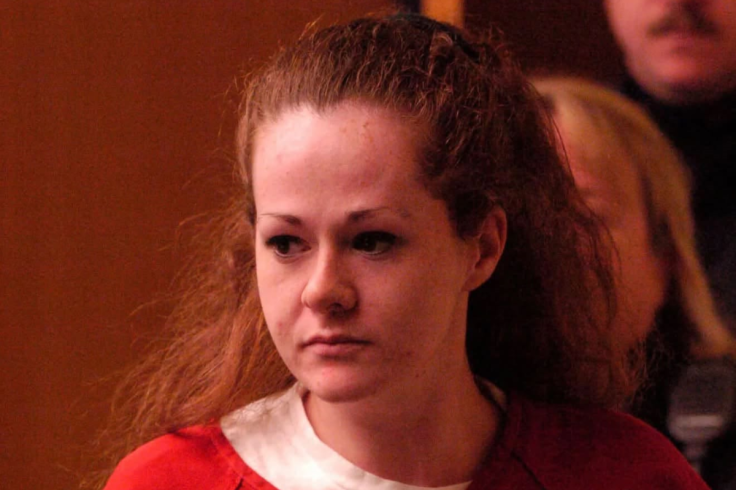
Christa Pike is awake and speaking six days after surviving an attempted execution that left her unconscious and dependent on a ventilator.
Pike, 50, survived two doses of pentobarbital during Tennessee's failed lethal injection on 30 September. Her lawyers said she remained unconscious and on a ventilator for six days before regaining consciousness in hospital.
The development marks a dramatic change from the condition described by her legal team days earlier, when she was critically ill following the failed execution. Her attorneys now say she remains in need of critical medical care, with an uncertain prognosis and a potentially long recovery ahead.
Pike's case has attracted international attention because she is the first known person to survive after receiving lethal-injection drugs during an attempted execution.
What Happened to Pike's Body?
Pentobarbital is a barbiturate that depresses activity in the central nervous system. It has been used medically as a sedative, while excessive exposure can suppress breathing and other vital functions.
Pike was given two doses during the execution attempt. According to her lawyers, complications with intravenous access occurred during the procedure, and her arms were left swollen, burned, and blistered.
The reported injuries are significant because the skin is an important barrier against infection and fluid loss. Burns can damage tissue beneath the skin and may require specialised wound care, depending on their depth and extent.
However, photographs or descriptions of Pike's injuries cannot establish the precise degree of tissue damage or predict how well she will recover.
Why Being on a Ventilator for Days Matters
A ventilator is a machine that helps a person breathe when they cannot maintain adequate breathing on their own. Being placed on one does not necessarily mean someone has permanent lung damage, but prolonged critical illness can put considerable stress on the body.
Patients who spend extended periods critically ill can face complications including infections, muscle weakness and problems associated with prolonged immobility. Coming off a ventilator is also an important milestone, but it does not necessarily mean a person has fully recovered.
Pike's legal team said she is now conscious and able to speak, but an expert consulted by her lawyers cautioned that it could take weeks or months before doctors know the full extent of her recovery.
Pike's Recovery Remains Uncertain
The fact that Pike can now communicate represents a significant improvement from her condition earlier in the week. However, her doctors still have to monitor her closely as she recovers from the effects of the failed procedure and her other injuries.
Her attorneys have described the recovery as medically unprecedented and said she continues to receive critical care. They have also said she remains hospitalised and physically restrained while receiving treatment.
Meanwhile, Tennessee has paused its remaining executions for 2026 while officials investigate what happened during Pike's execution attempt. Her legal team is seeking records and other evidence from the procedure as questions remain over how the attempt failed.
For now, Pike's ability to wake, communicate, and breathe without the ventilator represents an important step forward, but her medical team faces a much longer question: how much of her health can she ultimately regain?