
Flea-Borne Typhus Returns in Los Angeles as Six People Are Hospitalised in New Outbreak
Six people have been hospitalised in a new outbreak of flea-borne typhus in Los Angeles, with seven symptomatic cases linked to the Wilshire Center cluster. All seven people have recovered, according to county health officials.
The bacterial infection can cause fever, headache, chills, body aches, nausea and rash. In rare cases, it can become severe, cause organ damage or prove fatal.
The outbreak is the second reported by Los Angeles County this year. An earlier cluster in Pico-Union involved five people, all of whom were hospitalised and later recovered.
How Infection Spreads
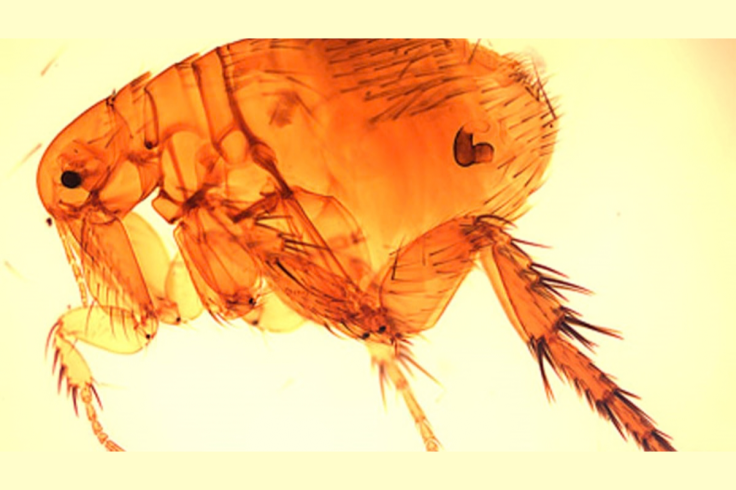
Flea-borne typhus, also called murine typhus, is caused by Rickettsia typhi. People become infected when faeces from infected fleas enter broken skin or come into contact with the eyes.
The fleas can be carried by rats, free-roaming cats and opossums. Outdoor pets can also bring infected fleas into homes, meaning people may be exposed around their own properties without seeing an animal or noticing a flea bite.
Fewer than 5% of patients recall a flea bite or exposure in the one to two weeks before becoming ill. Symptoms usually begin within three to 14 days and may include fever, chills, headache, muscle aches, nausea, vomiting and rash.
A rash occurs in about half of patients and generally begins around the fifth day of illness. Because the early symptoms can resemble other illnesses, doctors may need to consider flea exposure when assessing a patient with persistent fever.
Blood tests can help confirm infection, but laboratory results may take several weeks. The US Centers for Disease Control and Prevention advises doctors not to delay treatment while waiting for laboratory confirmation when flea-borne typhus is suspected.
Doxycycline is the treatment of choice for suspected flea-borne typhus in adults and children of all ages. Early treatment is important because untreated illness can last two to three weeks and may become severe.
Deaths are rare, estimated at less than 1% of cases. Severe disease can cause complications including organ damage, while most people recover completely with appropriate antibiotic treatment.
Cases Rise Across County
Los Angeles County has reported 109 flea-borne typhus cases so far in 2026. The Wilshire Center outbreak is the second localised outbreak reported by the county this year, following the five-case Pico-Union cluster in July.
The county recorded a record 220 cases in 2025, up from 187 in 2024, continuing the county's long-term rise. Cases have increased across Los Angeles County since 2010, with infections reported among people aged from 1 to 85 last year.
Nearly nine in 10 people diagnosed with flea-borne typhus in 2025 required hospitalisation. Health officials say the risk is countywide and affects people across different housing and socioeconomic circumstances.
Muntu Davis, MD, MPH, Los Angeles County health officer, urged residents to reduce exposure to fleas on free-roaming animals and wildlife. He recommended keeping pets on year-round flea control and preventing wildlife from living in or around homes.
Residents should avoid feeding or touching free-roaming animals and keep pet food indoors. They should also keep rubbish in tightly closed containers, clear debris and overgrown vegetation, and seal openings where animals could enter or hide.
When outdoors, residents can use an EPA-registered insect repellent labelled for protection against fleas. Anyone who develops fever, headache, rash or body aches after possible flea exposure should seek medical care promptly.
Flea-borne typhus does not spread from person to person. The current outbreak is a reminder that exposure can occur close to home, making flea control, rodent-proofing and limiting contact with wildlife important prevention measures.