
Boy, 12, Thought He Had Dirt in His Eye, Then His Mum Zoomed In and Saw LEGS
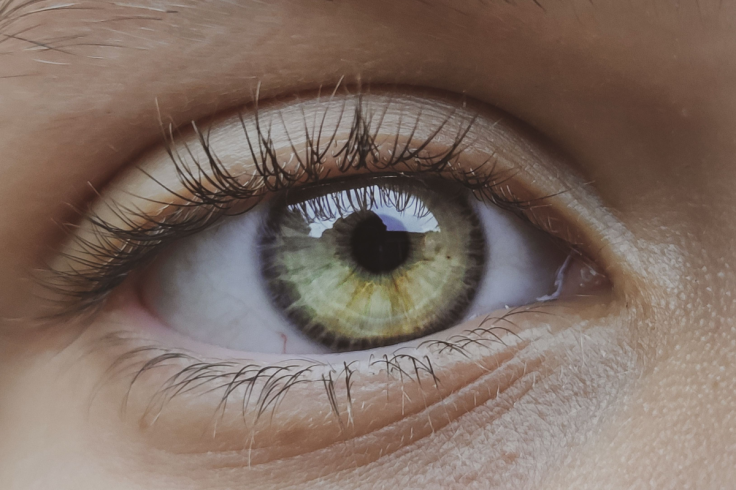
A 12-year-old Pennsylvania boy thought dirt had lodged in his eye after school on 26 May 2026. The nurse and his parents agreed. Hours later his mum, Cori Yanak, zoomed in with a phone and saw legs. It was a tick found in a boy's eye.
Hospital staff found it was not embedded, removed it with tweezers after numbing drops and gave antibiotics as a precaution. Avery Yanak kept his sight.
What Looked Like Dirt Was a Tick
Avery Yanak felt irritation in his right eye at school in Greene County. He assumed grit had blown in. The nurse reached the same view. At home his parents did too. Only the magnified phone image showed the legs. Cori Yanak said they would never have known it was a tick without the camera.
Avery later said: 'I was worried, like I was gonna go blind in my right eye, or I was gonna get Lyme disease.'
The family drove to hospital rather than try removal themselves. Staff found the tick on the surface, not buried in tissue. Numbing drops let them lift it intact with tweezers. Antibiotics followed as a precaution. 'There was no guideline,' Cori Yanak said. 'They just were trying to figure out what the best thing to do was.'
Avery recovered well and still has his eyesight. How the insect reached the eye remains unclear.
An Unusual Site for a Common Pest
Dr Deval Paranjpe, chair of ophthalmology at Allegheny Health Network, said even an eyelid attachment is quite unusual, yet ticks can reach almost any exposed skin.
She warned that home removal near the eye can injure the globe more than the tick itself. Paranjpe advised anyone who finds a tick on or near the eye to seek emergency medical care rather than attempt to remove it themselves.
Pennsylvania reports high numbers of Lyme disease. Official figures recorded 16,624 laboratory-reported cases in 2024, an incidence of 128.3 per 100,000 people, and officials say the true burden is likely far higher.
The blacklegged tick, Ixodes scapularis, is present in every county and can transmit Lyme disease, anaplasmosis, babesiosis and other pathogens. Nymphal blacklegged ticks, about the size of a poppy seed, are particularly active in spring and summer, when Avery met his visitor.
Two species account for more than 90% of tick-identification requests submitted to Penn State: the blacklegged tick and American dog tick. Adult ticks can seek hosts on milder winter days as well.
Nightly Checks After a Close Call
The episode led the Yanak family to inspect skin every evening. Avery now tells others to look at legs, between fingers and even the eyes after time outdoors.
Key Facts
- The tick appeared only after a phone zoom on 26 May 2026 and was not embedded.
- It came out with tweezers after numbing drops, and antibiotics followed as a precaution.
- Avery remains well, and the family now checks thoroughly each night.
The family still checks every night. Because attempting to remove a tick near the eye could cause an eye injury, Paranjpe advised seeking emergency medical care rather than trying to remove it at home.
Health agencies keep urging full-body tick checks after outdoor play because Pennsylvania blacklegged ticks remain widespread.