
Is My Child's Fever Normal? Doctors Explain When Parents Should Worry
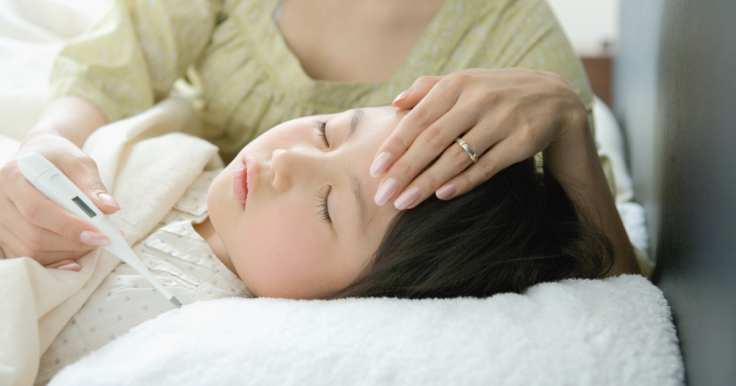
A raised temperature is common in children, but the thermometer reading is only part of the picture. Drs Martin Richardson and Monica Lakhanpaul's study shows that UK paediatric guidance says most childhood fevers can be managed at home, while certain ages, symptoms and changes in behaviour require urgent medical attention.
Fever is usually the body's response to infection, often a viral illness. The Royal College of Paediatrics and Child Health (RCPCH) describes it as a normal physiological response.
Dr Emma Lim, a consultant paediatrician at Great North Children's Hospital, stresses observing the child's overall condition rather than focusing solely on temperature.
A child with a high temperature who is drinking, responding normally and becoming more comfortable may be less concerning than a child with a lower temperature who is unusually drowsy, struggling to breathe or not drinking.
What Counts as a Fever?
For children under five, a temperature of 38°C or above is generally considered a fever. A digital thermometer is the recommended way to check rather than relying on whether a child's forehead feels hot.
But experts say age changes the level of concern.
The National Health Service (NHS) and UK paediatric guidance use particularly cautious thresholds for young babies because serious infections can develop without obvious symptoms.
- Under three months. A temperature of 38°C or above requires urgent medical assessment.
- Three to six months. A temperature of 39°C or above warrants urgent medical advice.
- Over six months. The child's overall condition, symptoms, hydration and how long the fever lasts become particularly important.
A fever lasting five days or more should also prompt medical advice, even if the child otherwise appears relatively well. There are exceptions around recent vaccinations, particularly in very young babies, so parents should tell a clinician if the fever began shortly after an immunisation.
When Home Care Is Usually Enough
Most childhood fevers are linked to minor infections and settle as the illness improves.
If a child is alert, drinking reasonably well and behaving broadly as usual between periods of discomfort, home care may be appropriate.
The priority is comfort and hydration, not forcing the thermometer back to a normal reading.
Parents can:
- Offer regular fluids, including breastmilk or formula for babies.
- Encourage small, frequent drinks if the child does not want much at once.
- Check that the child is passing urine regularly.
- Dress them in comfortable, light clothing and avoid excessive blankets.
- Allow them to rest.
- Use children's paracetamol or ibuprofen if the child is distressed or uncomfortable, following the age and dosing instructions.
The RCPCH says paracetamol or ibuprofen should be used when a child is distressed, not simply to lower a temperature. The NHS advises against sponging or overdressing children with fever. Parents should prioritise fluids, as fever, vomiting and diarrhoea can increase the risk of dehydration.
Signs that a child may be becoming dehydrated include:
- Passing urine less often than usual.
- Fewer wet nappies in a baby.
- A dry mouth or eyes.
- Sunken eyes.
- Increasing sleepiness or weakness.
These signs should not be dismissed simply because the child has managed to drink a little.
When NHS 111 Is The Right Call
Parents do not need to wait until a child looks critically ill before seeking advice. NHS 111 can help assess symptoms and direct families to the appropriate service when the GP is unavailable or urgent advice is needed.
Medical advice should be sought if a child is getting worse, is not drinking properly, is passing considerably less urine, has persistent vomiting or has a fever lasting five days or more. A child who remains unusually sleepy, irritable or unlike themselves also deserves assessment.
For babies, the age thresholds are especially important. A baby under three months with a temperature of 38°C or higher should receive urgent medical assessment. For babies aged three to six months, 39°C or higher is the key threshold used in NHS guidance.
The Signs That Need Emergency Care
Some symptoms alongside fever can indicate a serious infection or other medical emergency.
Parents should seek emergency help if a child:
- Is struggling to breathe or appears to be working hard to breathe.
- Is difficult to wake, unusually drowsy or not responding normally.
- Has blue, pale or blotchy skin, lips or tongue.
- Develops a rash that does not fade when pressed with a glass.
- Has a stiff neck or appears unusually sensitive to light.
- Has cold hands and feet alongside other signs of serious illness.
- Has a weak or unusually high-pitched cry.
- Has a seizure or fit.
- Is severely dehydrated or unable to keep fluids down.
These warning signs are reflected in NHS fever guidance and should be treated differently from an uncomplicated fever accompanying a cold.
If a child is having difficulty breathing, becomes unresponsive, turns blue or has a seizure, parents should call 999 or attend A&E rather than waiting for routine advice.
What Parents Should Know About Febrile Seizures
Few symptoms are more frightening than seeing a child suddenly stiffen or shake. Febrile seizures, sometimes called febrile convulsions, can occur in young children during a fever and are generally associated with children from around six months to five years of age.
Febrile seizures can occur in children aged around six months to five years during a fever. Although they can look alarming, a simple febrile seizure is not the same as epilepsy and typically lasts less than 15 minutes and does not recur within 24 hours.
A first seizure with a fever requires urgent medical assessment. Parents should not restrain the child or put anything in their mouth. Keep them safe from injury and seek emergency help, particularly if the seizure lasts five minutes or longer.
The Fever Myths That Can Make Things Worse
One common misconception is that every high temperature must be brought down. It does not. The fever itself is not always the best measure of how unwell a child is. Age, behaviour, breathing, hydration and other symptoms matter too.
The simplest rule for parents is to look at the child, not just the thermometer. A child who is drinking, alert and recovering between fevers may be monitored at home. But difficulty waking, breathing problems, refusal of fluids or a rash that does not fade requires medical advice, regardless of the temperature.
Frequently Asked Questions
- What is considered a fever in children?For children under five, a temperature of 38°C or above is generally considered a fever.
- When should I seek urgent medical advice for a child's fever?Seek urgent medical advice if a child under three months has a temperature of 38°C or above, or if a child aged three to six months has a temperature of 39°C or above.
- What are the signs of dehydration in a child with a fever?Signs of dehydration include passing urine less often, fewer wet nappies, a dry mouth or eyes, sunken eyes, and increasing sleepiness or weakness.
- What should I do if my child has a febrile seizure?Keep the child safe from injury, do not restrain them or put anything in their mouth, and seek emergency help if the seizure lasts five minutes or longer.
- What are the myths about childhood fever?A common myth is that every high temperature must be brought down. The fever itself is not always the best measure of how unwell a child is.