Man Loses Vision After Taking Ozempic, Claims He Was Never Warned About Permanent Vision Loss
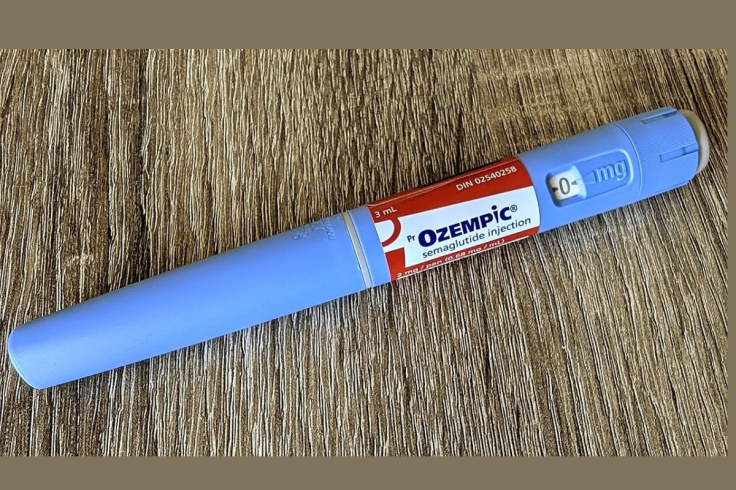
A Dedham father of four says he was never warned that Ozempic could potentially be linked to a rare form of optic nerve damage before he lost sight in both eyes.
Edward Gillen, 59, alleges in a lawsuit that the diabetes drug caused his non-arteritic anterior ischemic optic neuropathy, or NAION, and that Novo Nordisk failed to adequately warn patients about the potential risk.
How Sight Failed Within a Fortnight
Gillen, a Massachusetts highway worker of 39 years and a softball coach, was prescribed Ozempic in 2024 to lower his A1C. After about a year, symptoms began around Memorial Day in May 2025. He woke with what looked like a speck in one eye. There was no pain. Within two weeks his vision failed in both eyes.
'It was Memorial Day weekend, and by June 1st, I was blind,' he said. NAION is a condition caused by impaired blood flow to the front of the optic nerve that can result in permanent vision loss.
Gillen says the specialist believed the timing and pattern were consistent with a possible association with Ozempic.
He has left machinery work and trained at the Carroll Center for the Blind in Newton.
Routine warnings, he says, never covered this. 'I knew there were some. Because you hear it on the commercials, you hear an advertiser, your doctor tells you them, but not this. Not this,' he said. His complaint says he would not have used the drug had an increased NAION risk been disclosed.
Permanent Vision Loss and the US Lawsuits
Gillen's case is part of a federal multidistrict litigation in the Eastern District of Pennsylvania, MDL No. 3163, overseen by US District Judge Karen S. Marston. The Judicial Panel on Multidistrict Litigation centralized the cases on 15 December 2025, initially transferring 18 actions for coordinated pretrial proceedings.
By September 2026, the MDL had grown to 216 pending actions. No verdict or settlement in the MDL has been announced.
The filing accuses Novo Nordisk of inadequate warnings. It says Gillen injected Ozempic believing he was promoting his health when the opposite occurred. The wider MDL also includes claims against other GLP-1 manufacturers, including Eli Lilly. The manufacturers dispute the allegations.
In June 2025 the European Medicines Agency classified NAION as a very rare side effect of semaglutide, affecting up to 1 in 10,000 people taking the medicine, and recommended updating product information to include the risk.
On 5 February 2026 the UK's Medicines and Healthcare products Regulatory Agency said semaglutide was associated with an approximately twofold increase in the relative risk of NAION in people with type 2 diabetes. It advised that treatment should be stopped if NAION is confirmed.
As of the latest US labeling available, Ozempic's prescribing information does not specifically list NAION.
What Studies and the Company Say
A July 2024 study published in *JAMA Ophthalmology*, based on patients seen at Massachusetts Eye and Ear, found an association between semaglutide use and a higher incidence of NAION.
Novo Nordisk has cited a pooled analysis of randomized clinical trials involving 96,829 participants, which identified three confirmed NAION cases among participants receiving GLP-1 medicines compared with five among those receiving placebo.
The company says the analysis did not show an increased incidence of NAION.
Novo Nordisk says the lawsuits are without merit and that a causal link cannot be confirmed. It says the benefit-risk profile remains favourable. US regulators are assessing a possible link and have not added a warning.
In Denmark, an independent patient compensation authority awarded four patients a combined 800,000 Danish kroner, approximately £93,000 ($123,000), in November 2025 after they developed NAION following treatment with Wegovy or Ozempic. Novo Nordisk was not a party to the decisions.