
Trump Axes Hospital Drug Overpayments So 340B Savings Finally Reach Pensioners' Pockets
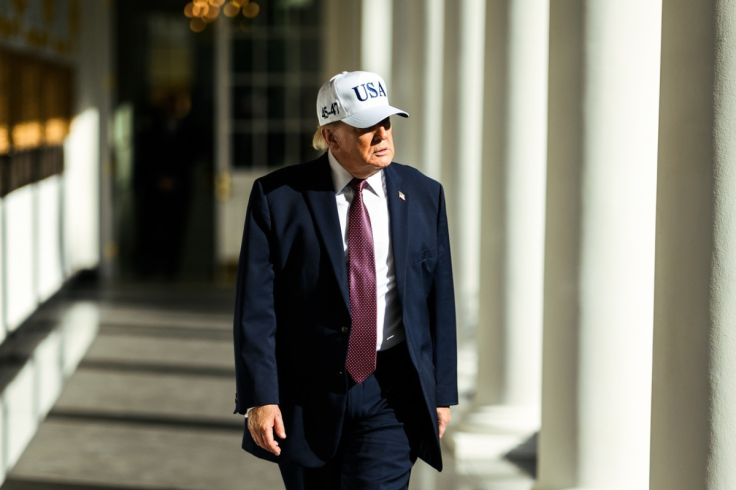
Donald Trump's administration has finalised a change to Medicare reimbursement for discounted hospital medicines, estimating that it will reduce prescription drug costs for eligible beneficiaries and taxpayers in 2027.
The policy covers drugs bought through the federal 340B Drug Pricing Program, which allows eligible healthcare providers serving vulnerable communities to purchase medicines at reduced prices.
What the 340B Drug Pricing Change Means for Medicare Patients
The 340B Drug Pricing Program helps eligible healthcare providers serving low-income communities obtain outpatient medicines at discounted prices. Participants include federally qualified health centres, Ryan White HIV/AIDS clinics and certain hospitals, including children's hospitals and rural facilities.
Other covered participants include tribal and urban Indian health centres, Title X family-planning clinics and specialist providers treating tuberculosis, sexually transmitted diseases and haemophilia.
The new Medicare rate is intended to bring reimbursement closer to hospitals' acquisition costs. CMS said its review found substantial differences between prices paid for medicines bought through 340B and those acquired outside the programme. In some cases, a patient's typical 20% cost-sharing amount was higher than the hospital's entire purchase price for the drug.
CMS estimates the revised rate will reduce Original Medicare drug spending by $4.35 billion (£3.22 billion) in its first year and beneficiary drug costs by $1.1 billion (£815 million). The projected combined reduction in drug spending is about £4.04 billion ($5.45 billion) in 2027.
These are federal estimates, not guaranteed savings for every patient; actual reductions will depend on the medicine and treatment received.
Why Trump Ordered a Review of Hospital Drug Payments
From 1 January 2027, Medicare will pay for qualifying 340B outpatient drugs at 28% below their Average Sales Price (ASP), the Centers for Medicare & Medicaid Services (CMS) confirmed on 4 November. It estimates beneficiaries receiving qualifying drugs in hospital outpatient departments will save an average of £667 ($900) in 2027.
The change follows an executive order signed by Trump in April 2025 directing the Department of Health and Human Services to plan a survey of hospitals' acquisition costs for outpatient medicines. It called for Medicare payments to better reflect what hospitals pay, subject to existing legal requirements.
CMS conducted its survey between 1 January and 7 April 2026. The final rate differs from the agency's original proposal: it had suggested paying for 340B drugs at ASP minus 33.4%, before settling on ASP minus 28%.
Budget Neutrality Means Hospitals Will See Other Payment Changes
Under Medicare's budget-neutrality requirement, the reduction in payments for 340B-acquired drugs will be offset by an equivalent increase in payments for non-drug outpatient services. CMS estimates this will result in a 7.5% increase in non-drug service payments under the Hospital Outpatient Prospective Payment System (OPPS).
Separately, CMS is increasing an existing reduction in non-drug outpatient payments from 0.5% to 2% in 2027 for affected hospitals. The adjustment is intended to recover approximately $7.8 billion (£5.79 billion) in additional non-drug payments hospitals received between 2018 and 2022 under the previous 340B payment policy. CMS expects the recovery to be completed by 2031.
For Medicare patients, the practical test will be whether the 340B drug pricing change produces lower bills when it takes effect in January 2027. The projected savings will come through qualifying outpatient drug claims, not a cash rebate.