
NVIDIA CEO Jensen Huang Reveals He Is in Therapy After Admitting 'Terrible Mistakes' in Explosive Affairs Scandal
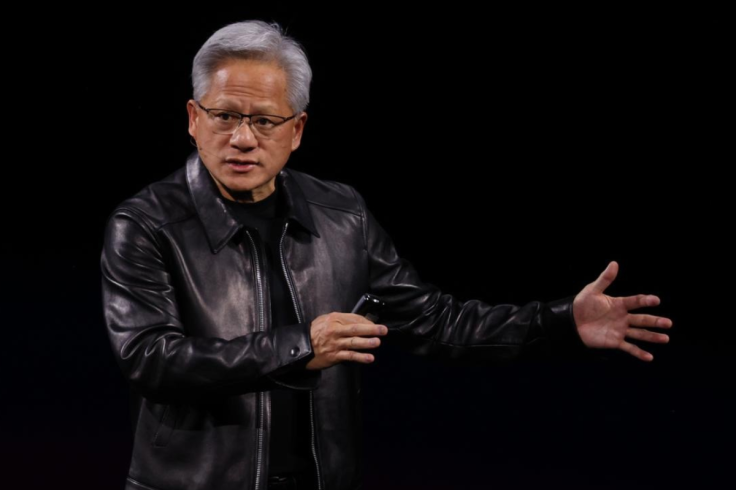
NVIDIA chief executive Jensen Huang told employees on Tuesday, 24 November, that he was in therapy and had made 'terrible mistakes.' His remarks came a day after the board reinstated him, less than two weeks after he resigned following reports of extramarital affairs.
'I made some terrible mistakes,' Huang told an hour-long all-hands meeting at the company's headquarters in Santa Clara, California, according to The New York Times, which reviewed a livestream. He said he had been unfaithful to his wife, Lori, and had hurt his children and colleagues.
Huang attends therapy daily for around 90 minutes, and said it was helping him 'a lot,' Wired reported. He also said it was 'not acceptable' that he had broken a code of conduct he helped write.
He resigned on 12 November after reports of the affairs, including one with an executive at Singapore-based cloud company Megaspeed. US officials reportedly suspect the executive of being a Chinese intelligence asset.
China has denied that she is a spy, while Attorney General Todd Blanche has said the Justice Department has reached no conclusion about her alleged intelligence links. No allegation has been proven.
NVIDIA shares rose by more than 30 per cent on Monday after Huang's reinstatement, then closed about 6 per cent lower on Tuesday. Ken Mahoney, chief executive of Mahoney Asset Management, called Monday's rally a 'one-day wonder.'
Huang's Return Puts NVIDIA's Board Under Scrutiny
Chief financial officer Colette Kress had been interim chief executive during Huang's absence. NVIDIA said its board voted unanimously to reinstate him after receiving information from the US government that he did not pose a national security risk.
Huang rejected suggestions that US President Donald Trump had pressured directors. Trump, however, told CNBC on Monday that he had been 'speaking to the board directly and indirectly.' NVIDIA's announcement said the decision followed 'input from senior levels of the United States government.'
Fawad Razaqzada of Forex.com wrote that 'the optimism faded quickly,' with questions about corporate governance and board oversight still lingering. Lawmakers from both parties have criticised the circumstances of Huang's return, keeping attention on the board's decision as well as the investigations.
Investigations and Hearings Await Huang
NVIDIA's board is still conducting an internal investigation into concerns that Huang may have been targeted by a Chinese espionage campaign.
Separately, the Justice Department is investigating Megaspeed over allegations that advanced US chips were diverted to China in breach of export restrictions. Megaspeed has denied the allegations. Washington added the company to a trade blacklist on 23 November.
The Securities and Exchange Commission has reportedly opened a separate investigation into NVIDIA's accounting and communications with shareholders. California's attorney general has also begun an inquiry into the company's chip exports and disclosures. No wrongdoing by Huang or NVIDIA has been established.
Blanche defended NVIDIA on Tuesday. 'NVIDIA is a good corporate citizen. That shouldn't be groundbreaking,' he told reporters, adding that the president's message would be different if NVIDIA were a criminal target or obstructing an investigation.
The company's chips are widely used to train and run AI models. Huang has also extended NVIDIA's reach through loans and financial guarantees to other AI firms, making the company a significant participant in the wider AI investment boom.
Huang is due to attend a closed-door interview with three House committees on 1 December and testify publicly before the Senate Banking Committee on 3 December. The Senate hearing is expected to focus on oversight of US export controls.