
Every Time You Flush, You Could Be Breathing in Airborne Germs, Study Warns
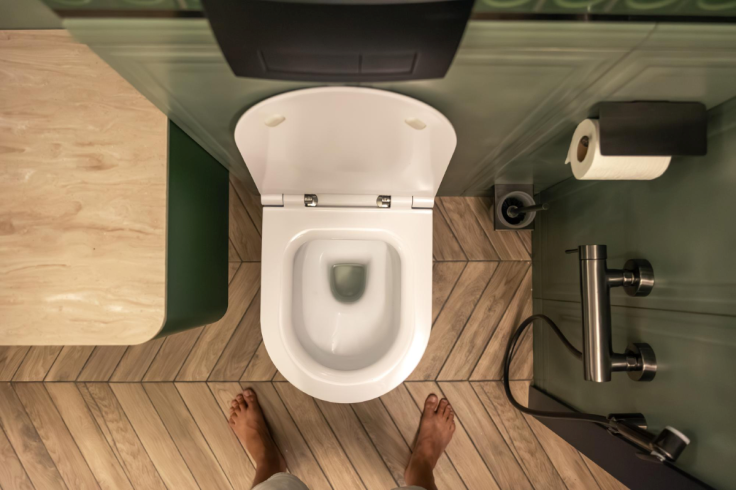
Flushing the toilet may be releasing more than waste into the plumbing. New research suggests the turbulence created during a flush can send tiny particles containing microbes into the surrounding air, potentially putting them within breathing range.
Researchers from Flinders University in Australia reviewed 22 previous studies examining aerosols and bioaerosols produced by toilet flushing. Their findings, published in Science of the Total Environment, suggest some of these particles can reach the breathing zone of adults and remain airborne for at least 20 seconds after flushing.
The researchers say this creates a potential route for inhalation exposure to microbes that may be present in toilet water or introduced into the bowl during use.
What Happens When You Flush?
A toilet flush creates turbulence as water moves rapidly through the bowl. This can break up contaminated water into tiny airborne droplets and particles known as aerosols.
Some of the studies included in the review detected toilet-generated aerosols at heights corresponding to the breathing zone of adults. The concentration of these particles was generally higher closer to the toilet, particularly around seat height.
The microbes carried by these aerosols can come from contamination in the toilet bowl or, in some circumstances, from the water used for flushing.
The review also found that larger flush volumes generally produced more aerosols. Higher concentrations of microorganisms in toilet water were also associated with higher concentrations detected in the resulting aerosols.
Could These Aerosols Spread Disease?
The findings raise concerns because toilet-generated bioaerosols can potentially contain disease-causing microorganisms.
The studies reviewed included research involving microorganisms or surrogate organisms deliberately introduced into toilet water, as well as experiments conducted under more typical conditions. The Guardian reported that pathogens such as norovirus, influenza viruses, and Legionella may be among the microbes of concern.
However, the research does not show that flushing a toilet routinely causes people to become infected. Instead, it identifies a potential exposure pathway. Whether a person becomes infected depends on several factors, including which microorganism is present, how much is released, how long it remains airborne, and how much a person inhales.
Does Closing the Lid Help?
Closing the toilet lid before flushing may be a sensible precaution, but it is not a complete solution.
According to the researchers, aerosols can escape through gaps between the lid and toilet bowl, meaning closing the lid does not necessarily prevent airborne particles from entering the surrounding bathroom.
Still, the lead researcher, Lira Adiyani, recommends closing the lid where one is available as a precautionary measure.
Other measures may also help. Regularly cleaning the toilet and surrounding surfaces can reduce microbial contamination, while good hand hygiene remains important. Using a lower-volume flush where appropriate may also reduce aerosol generation. Adequate bathroom ventilation could help disperse suspended particles, although the review found that the effects of ventilation and lid position varied between studies.
Should You Be Worried?
For most people, there is no need to panic over every toilet flush. The researchers are primarily highlighting a potential route of exposure, rather than proving that ordinary bathroom use poses a significant infection risk.
The findings may be particularly relevant in settings such as hospitals and other healthcare facilities, where vulnerable people could be exposed to contaminated aerosols.
For now, simple precautions, including regular toilet cleaning, handwashing, ventilation and closing the lid before flushing, can help minimise potential exposure while researchers continue investigating how toilet-generated aerosols contribute to the spread of infectious diseases.