
Trump Defends Senator Who Sued 700 Patients, Claiming He Risked Arrest Over Medical Debts as Low as $101
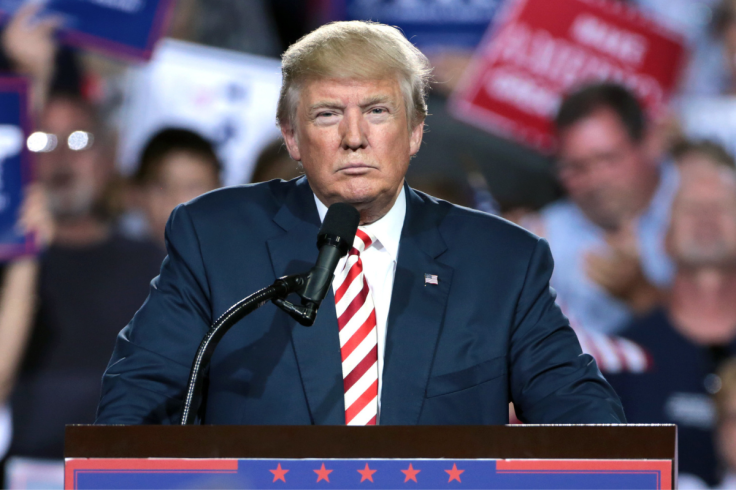
Donald Trump has claimed that Senator Roger Marshall could have faced criminal liability for failing to pursue patients over unpaid medical bills, defending the Kansas Republican as scrutiny grows over lawsuits filed during his career as a doctor. The claim has drawn scrutiny because reporting has identified no law requiring doctors to sue patients over unpaid medical bills.
Trump did not cite a law requiring Marshall to sue patients: reporting says no federal or Kansas law requires doctors to sue patients over unpaid bills.
What the Records Show About Medical Debt Lawsuits
Trump made the claim in a Truth Social post on 12 October, saying Marshall was 'mandated by Law' to seek money owed and could otherwise face arrest.
A New York Times investigation published in September examined Kansas court records and found that Marshall, an obstetrician-gynaecologist before entering politics, had sued more than 700 patients over unpaid medical bills. Some debts were as low as £76 ($101).
The records document lawsuits and arrests after missed court appearances, but they do not establish Trump's claim that Marshall could have faced criminal liability for failing to pursue debts. In 13 additional cases, lawyers sought arrest warrants, although the records did not establish whether arrests followed.
The investigation also found that Marshall's practice pursued wage and bank-account garnishments and routinely charged annual interest of 18 per cent. The details have sharpened questions about aggressive medical-debt collection and its consequences for patients struggling to pay for care.
The distinction between a judge issuing an arrest warrant and a doctor seeking legal action matters. The investigation described patients being taken into custody after missing court appearances; it did not establish that Marshall personally ordered arrests. Trump's post placed responsibility on the courts while presenting the lawsuits as legally required.
Trump's Criminal Liability Claim Faces a Legal Problem
Trump's claim is that Marshall had to pursue debts or risk criminal punishment. But reporting says no federal or state law requires doctors to sue patients over unpaid medical bills, or debt collectors to seek arrest warrants when defendants miss court. Trump did not identify a statute supporting his assertion.
That does not mean every step in a debt-collection case is unlawful. Courts can issue orders under applicable procedures, and the records describe arrests linked to missed hearings. But those circumstances do not, by themselves, demonstrate that a doctor was legally compelled to sue or that failing to do so would be a crime. Trump stated the alleged obligation as law, rather than simply defending Marshall's business decisions.
Kansas Senate Race Adds Political Pressure
Marshall, a Republican who has represented Kansas in the Senate since January 2021, is seeking re-election in November. His Senate biography says he practised medicine in Great Bend for more than 25 years before serving in Congress.
Trump also attacked Marshall's Democratic challenger, Adam Hamilton, describing him as a radical and accusing him of using the controversy against the senator. Those are the president's political characterisations, not independently established findings. The dispute has added scrutiny of Marshall's record during a closely watched re-election campaign as voters weigh medical costs and the treatment of patients with outstanding bills.
The dispute ultimately turns on the legal obligation Trump invoked. Available reporting has identified no law requiring doctors to sue patients over unpaid bills, leaving the president's assertion of potential criminal liability unsupported by the evidence cited in the reports.