
Why Does My Child Snore? Sleep Experts Explain When It's More Than Just a Noisy Night
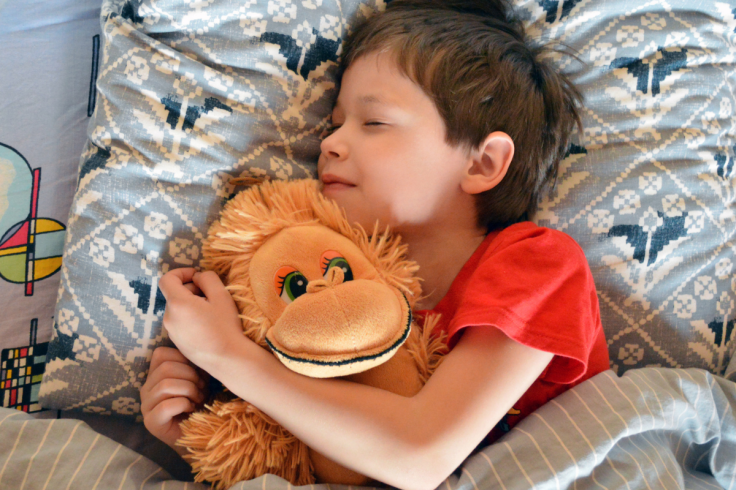
Persistent childhood snoring can signal disrupted breathing, affecting sleep, behaviour and daytime wellbeing. A child who snores occasionally is not necessarily unwell. Colds, allergies and a blocked nose can temporarily make breathing noisier at night.
But regular, loud snoring can be a different matter. When snoring happens most nights, particularly alongside pauses in breathing, gasping, restless sleep or daytime behavioural changes, it may indicate sleep-disordered breathing.
Obstructive sleep apnoea (OSA) occurs when the upper airway repeatedly narrows or becomes blocked during sleep. This can interrupt normal sleep and, in more severe cases, affect oxygen levels.
UK children's health guidance says most children who snore do not have OSA, but persistent snoring should be discussed with a healthcare professional.
What Causes Children to Snore?
Snoring occurs when airflow through the nose and throat is restricted, causing soft tissues to vibrate.
One of the most common causes in children is enlarged tonsils and adenoids. These tissues can narrow the airway, particularly when a child is asleep and the muscles around the throat naturally relax.
Other possible contributors include:
- Nasal congestion. Colds, allergies and persistent inflammation can make it harder to breathe through the nose.
- Excess weight. Additional tissue around the upper airway can increase the risk of obstruction.
- Anatomical differences. The structure of a child's jaw, face or airway can sometimes contribute to narrowing.
- Neuromuscular conditions. Conditions affecting muscle tone can increase the risk of sleep-disordered breathing.
A child who snores only while suffering from a cold is therefore very different from one who snores loudly throughout the year.
Which Snoring Symptoms Should Parents Watch For?
The sound itself is only part of the picture. What happens during and after the snoring may provide more important clues.
Parents should look for:
- Breathing pauses. The child appears to stop breathing before suddenly snorting, gasping or choking.
- Restless sleep. Frequent movement, unusual sleeping positions or repeated waking can indicate disrupted sleep.
- Mouth breathing. Persistent mouth breathing, particularly during sleep, can accompany nasal obstruction.
- Night sweats. Some children with sleep-disordered breathing sweat heavily while asleep.
- Daytime changes. Irritability, poor concentration, hyperactivity or unusual sleepiness can occur when sleep is repeatedly disrupted.
A child does not need to show every symptom to warrant an assessment.
Could Snoring Affect Behaviour and Concentration?
Persistent sleep-disordered breathing may affect more than a child's nighttime routine. A 2025 study published in JAMA Otolaryngology–Head & Neck Surgery examined 459 children aged three to 12 with mild sleep-disordered breathing.
The study was led by Phoebe K. Yu of Massachusetts Eye and Ear and Brigham and Women's Hospital, with co-authors including researchers from Harvard Medical School, Children's Hospital of Philadelphia, Cincinnati Children's Hospital Medical Center, the University of Michigan, University of Texas Southwestern and other US institutions.
The researchers found that greater symptom burden and poorer disease-specific quality of life were associated with poorer executive functioning. Among children with moderate-to-severe effects on quality of life, 56 per cent had elevated scores indicating executive-function impairment, compared with 10.6 per cent among children with lower scores.
The findings demonstrate an association, not proof that snoring itself causes behavioural or learning difficulties. They nevertheless suggest that persistent sleep symptoms should not automatically be dismissed as a harmless nighttime noise.
Why Parents May Underestimate Childhood Snoring
Parents may become accustomed to a child's snoring, particularly when it has developed gradually. A 2025 study published in BMC Public Health examined the knowledge, attitudes and practices of 483 family members of children aged two to six who snored in Shenzhen, China.
Researchers Zhenghan Fang and Yanxia Zhao, both affiliated with the Anesthesia Operating Room at Shenzhen GuangMing District People's Hospital, found that families had generally positive attitudes towards managing childhood snoring, but knowledge about its causes and prevention was less complete.
The researchers concluded that improving education and awareness could help families recognise and manage childhood snoring more effectively. However, the study used self-reported questionnaires and was conducted in one Chinese city, so its findings cannot automatically be applied to UK families.
Does Every Child Who Snores Need Treatment?
No. Occasional snoring does not automatically mean a child has sleep apnoea or needs medical treatment.
Doctors consider the frequency, severity and associated symptoms. A child who snores during a cold may simply need their congestion to settle.
In contrast, habitual snoring accompanied by breathing pauses or daytime difficulties deserves further assessment.
Parents can also record a short video of their child's breathing while asleep. This may help a GP understand what is happening at night, particularly if the symptoms are difficult to describe during an appointment.
How is Childhood Sleep Apnoea Diagnosed?
A GP may examine the child's nose and throat, ask about sleep patterns and discuss daytime behaviour.
If sleep-disordered breathing is suspected, the child may be referred to an ENT, paediatrician or sleep specialist. Some children undergo an overnight sleep study, known as polysomnography, which can monitor breathing, oxygen levels, heart rate and other measures while they sleep.
The results can help doctors determine whether a child has obstructive sleep apnoea and how severe it is.
What Treatments are Available?
Treatment depends on the cause and severity of the problem.
For children whose enlarged tonsils or adenoids are blocking the airway, an ENT specialist may consider adenotonsillectomy, an operation to remove the tonsils and adenoids.
Other children may benefit from treating allergies or persistent nasal inflammation. Weight management may also form part of treatment when excess weight contributes to airway obstruction.
Not every child who snores needs surgery. Doctors consider the child's symptoms, examination findings and, where appropriate, sleep-study results before recommending treatment.
What Can Parents Do Tonight?
Parents cannot diagnose sleep apnoea at home, but they can observe their child's sleep and look for patterns.
It may help to note:
- How often the child snores. Occasional snoring during illness is less concerning than habitual snoring.
- Whether breathing pauses occur. Gasping, choking or repeated pauses should be reported to a doctor.
- How the child behaves during the day. Irritability, sleepiness, hyperactivity or concentration problems may provide clues.
- Whether symptoms are changing. Increasingly loud snoring or worsening breathing deserves attention.
Maintaining a regular sleep routine and treating known nasal allergies can support healthy sleep, although these measures should not replace medical assessment when OSA is suspected.
When Should Parents Contact a GP?
Parents should arrange an appointment if their child regularly snores, especially if the snoring is loud or has continued for several weeks.
A GP assessment is particularly important if snoring occurs with:
- Pauses in breathing or repeated gasping.
- Persistent mouth breathing.
- Difficulty concentrating or changes in behaviour.
- Excessive daytime tiredness.
- Poor sleep or repeated night-time waking.
- Morning headaches.
- Problems affecting school, sport or everyday activities.
A Noisy Nights And Sleep-Related Disorders
A noisy night does not necessarily mean a child has a sleep disorder. Colds, allergies and temporary nasal congestion can all cause occasional snoring.
But persistent snoring, particularly with breathing pauses, gasping or daytime changes, should not be ignored. Research suggests that symptom burden and reduced sleep-related quality of life are associated with executive-function difficulties in children with mild sleep-disordered breathing.
Parents who notice regular snoring should speak to a GP. Identifying sleep-disordered breathing early can help children receive appropriate treatment and protect their sleep, health and daytime wellbeing.
Frequently Asked Questions
- What causes children to snore?Snoring in children can be caused by enlarged tonsils and adenoids, nasal congestion, excess weight, anatomical differences, or neuromuscular conditions.
- When should parents be concerned about a child's snoring?Parents should be concerned if snoring is regular, loud, and accompanied by breathing pauses, gasping, or daytime behavioural changes.
- How is childhood sleep apnoea diagnosed?A GP may refer the child to a specialist for an examination and possibly an overnight sleep study to monitor breathing and other measures.
- What treatments are available for childhood snoring?Treatments may include adenotonsillectomy, allergy management, weight management, or other interventions based on the cause and severity.
- What can parents do to help their child with snoring?Parents can observe sleep patterns, maintain a regular sleep routine, treat nasal allergies, and consult a GP if symptoms are concerning.