
Grace Helbig's Leg Numbness Led Doctors to Discover Brain Tumours: Here's What Experts Want You to Know
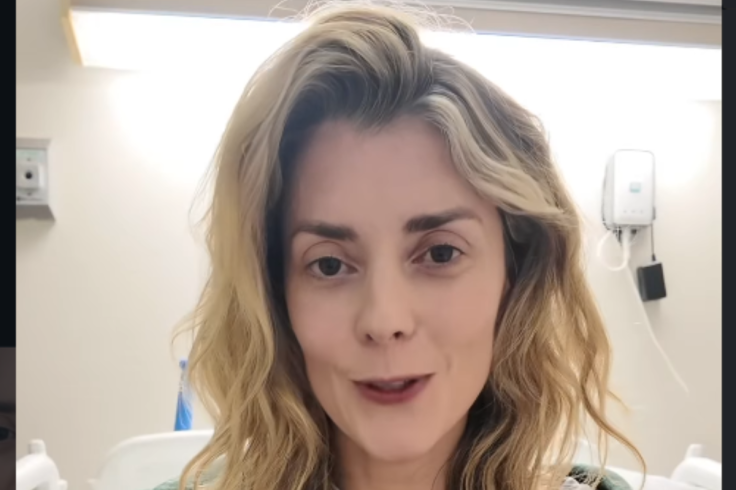
Grace Helbig's brain tumours were found after she sought emergency care for numbness in her legs, the comedian and YouTuber said ahead of surgery scheduled for Wednesday, 14 October 2026. Helbig, 41, announced the diagnosis in a video on Monday.
She described the two tumours as operable. Health organisations warn that brain tumour symptoms can resemble those of other conditions, but persistent or worsening neurological symptoms should be assessed.
Grace Helbig Brain Tumours Follow Leg Numbness and an Emergency Visit
Helbig told followers on Instagram she went to the emergency room, where doctors found the tumours. Referring to her earlier breast cancer, she joked: 'My cancer missed me.' She said she felt 'very positive and optimistic' because the tumours are operable, while acknowledging there had been a moment when that was not certain.
Four days earlier, she had announced the cancellation of Canadian tour dates, citing numbness. She also joked that doctors told her a positive attitude cannot fix the problem, but can help. She previously urged fans to get lumps checked promptly.
Key facts: Helbig posted her announcement on 12 October 2026, saying emergency doctors found two operable tumours after leg numbness. Surgery is due on 14 October 2026, and radiotherapy may follow. She was diagnosed with triple-positive breast cancer in summer 2023. Her remaining 2026 tour dates are being rescheduled for 2027.
What Health Bodies Say About Numbness as a Symptom
The NHS says brain tumour symptoms depend on the part of the brain affected and include headaches, seizures, persistent nausea, behavioural changes, vision or speech problems, and progressive weakness on one side of the body.
Brain Tumour Research lists numbness or weakness in the arms or legs, especially if progressive, and says symptoms can resemble other conditions, adding that not everyone with a brain tumour will experience all of them.
The NHS adds that some people have no symptoms at first, or they develop very slowly. It advises seeing a GP, noting that people may not have a tumour, but symptoms should be checked, and a GP may refer them to a neurologist for tests such as a brain scan.
It also says more than 12,000 people in the UK are diagnosed with a primary brain tumour each year, about half of them cancerous.
How Brain Tumours Are Treated and What Happens Next
According to the NHS, treatment depends on the tumour's type, location, size and spread, and the patient's overall health. Surgery is often used to remove as much of a tumour as safely possible. Depending on its type and the patient's circumstances, radiotherapy or chemotherapy may follow.
The NHS also notes that cancerous brain tumours can start in the brain or spread from elsewhere. The reports reviewed do not say which type applies to Helbig.
Steroids may be prescribed to reduce swelling around a tumour. Survival rates are difficult to predict because brain tumours are uncommon and come in many types. Helbig has said doctors might do some radiation after surgery, and that decisions will follow from there. She has also taken a week off her podcast.
For now, the Grace Helbig brain tumours story rests on the details confirmed publicly so far: surgery on Wednesday 14 October, possible radiation afterwards, a podcast on a week's break and live tour dates postponed to 2027. Beyond that, Helbig has said she will take her recovery one day at a time, with further treatment decisions to follow surgery.