
Why Is My Child Always Tired? Doctors Explain the Most Common Causes of Fatigue in Children
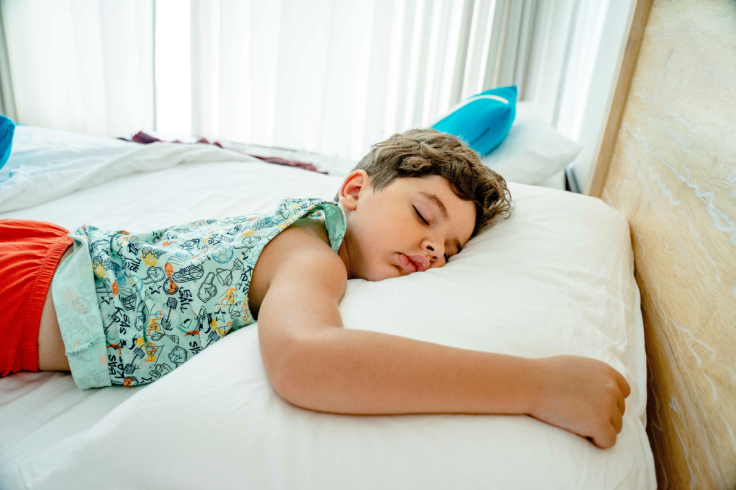
A child who is constantly tired may simply need more sleep, particularly during periods of rapid growth, busy school schedules or after an illness. But persistent fatigue can sometimes be a sign of an underlying physical or psychological problem.
For parents, the challenge is knowing when ordinary tiredness becomes something worth discussing with a GP.
What Is the Difference Between Tiredness and Fatigue?
The terms are sometimes used interchangeably, but there is an important practical distinction.
Ordinary tiredness generally improves after adequate sleep, rest or recovery from an illness. Fatigue can be more persistent and may not disappear simply because a child has slept.
A child experiencing significant fatigue may struggle to attend school, participate in hobbies or complete everyday activities they previously managed comfortably.
The impact on functioning is therefore an important clue. A child who occasionally falls asleep after a busy day is very different from one who regularly cannot manage normal activities.
How Much Sleep Does a Child Need?
Sleep requirements vary with age, and children generally need considerably more sleep than adults.
According to NHS guidance, children aged three to five typically need around 10 to 13 hours of sleep in a 24-hour period, while those aged six to 12 generally need nine to 12 hours. Teenagers usually need around eight to 10 hours.
A child who regularly stays up late, wakes frequently during the night or spends long periods using screens before bedtime may consequently appear tired during the day.
However, getting enough hours of sleep does not always mean the sleep is restorative.
Poor-Quality Sleep Can Leave Children Exhausted
Some children may spend plenty of time in bed but still wake feeling tired.
Snoring is one symptom parents should pay attention to, particularly if it is loud or accompanied by pauses in breathing, gasping or restless sleep. These can occur with obstructive sleep apnoea, a condition in which breathing is repeatedly interrupted during sleep.
Other possible clues include morning headaches, difficulty concentrating, behavioural changes and excessive daytime sleepiness.
Persistent sleep problems should be discussed with a GP, particularly when they affect school, mood or everyday activities.
Could an Infection Be Causing the Fatigue?
Tiredness is a common feature of many childhood infections. A child may remain fatigued for days or weeks after the obvious symptoms of an illness have disappeared.
Viral infections can temporarily affect appetite, sleep and energy levels. Glandular fever, caused by Epstein-Barr virus, is one infection particularly associated with prolonged fatigue in older children and teenagers.
A child who develops persistent fatigue following an infection may therefore need time to recover. But fatigue that is severe, worsening or interfering significantly with normal activities deserves medical assessment.
Iron Deficiency Can Also Make Children Tired
Iron is essential for producing haemoglobin, the protein in red blood cells that carries oxygen around the body. Iron deficiency can therefore contribute to tiredness and reduced energy.
Children may be more vulnerable to iron deficiency during periods of rapid growth. A diet lacking iron-rich foods can also increase the risk.
Possible symptoms include tiredness, weakness, headaches, pale skin and difficulty concentrating. Some children with iron-deficiency anaemia may also develop unusual cravings for non-food substances, known as pica.
A GP can assess symptoms and, where appropriate, arrange blood tests to investigate anaemia or other potential causes. Parents should not give children iron supplements without medical advice, as excessive iron can be harmful.
Could Emotional Health Be Behind the Exhaustion?
Fatigue is not always caused by a physical illness.
Stress, anxiety, low mood, bullying, problems at home and pressure at school can all affect a child's sleep and energy levels. Emotional difficulties may also appear as irritability, withdrawal, loss of interest in activities or difficulty concentrating rather than an obvious expression of sadness.
Teenagers in particular may describe feeling "tired all the time" when they are experiencing emotional distress.
This does not mean fatigue should automatically be attributed to mental health. Physical and psychological causes can coexist, and a healthcare professional may need to consider both.
When Could Constant Tiredness Signal Something More Serious?
Persistent fatigue can occasionally accompany conditions such as diabetes, thyroid disorders, anaemia and other chronic illnesses.
Parents should arrange a GP assessment if tiredness is persistent, unexplained or accompanied by other changes, particularly:
- Weight loss or poor growth. Unexplained weight changes or failure to grow as expected can require investigation.
- Persistent thirst or frequent urination. These can be warning signs of diabetes, particularly when accompanied by weight loss or fatigue.
- Breathlessness or paleness. These may occur with anaemia or other medical conditions.
- Persistent fever or night sweats. Ongoing systemic symptoms should not simply be attributed to tiredness.
- Changes in behaviour or school performance. A noticeable decline can indicate that fatigue is significantly affecting the child.
These symptoms do not necessarily mean a child has a serious disease, but they provide important information for a doctor.
What Does the Research Say About Severe Fatigue?
Extreme, persistent fatigue should not simply be dismissed as a normal part of childhood. A British Paediatric Surveillance Unit study published in Archives of Disease in Childhood investigated severe myalgic encephalomyelitis/chronic fatigue syndrome (ME/CFS) in children aged five to 16.
The prospective surveillance study reported 33 severe cases, with an estimated prevalence of 3.2 per million children. When probable and possible severe cases were included, the estimate was 8.9 per million. The median age was 13, and 58% of identified cases were female.
The researchers stressed the seriousness of the condition, concluding that 'all were very disabled' and that many affected young people received little or no education. They said paediatricians need to consider how to provide rehabilitation and education for these children.
The study concerns severe ME/CFS specifically, rather than ordinary childhood tiredness. Its findings therefore should not be used to assume that a tired child has ME/CFS.
When Should Parents Speak to a GP?
Parents do not need to wait for a child to become severely unwell before seeking advice.
A GP can review sleep patterns, diet, recent illnesses, emotional wellbeing, growth and other symptoms. Depending on the presentation, they may decide whether examinations or blood tests are appropriate.
Keeping a simple record of when the tiredness occurs, how long the child sleeps, whether they snore and what other symptoms appear can also help during an appointment.
Frequently Asked Questions
- What is the difference between tiredness and fatigue?Tiredness generally improves with adequate sleep or rest, while fatigue is more persistent and may not disappear with sleep.
- How much sleep does a child need?Sleep requirements vary by age, with children needing more sleep than adults. For example, children aged three to five need 10 to 13 hours, while teenagers need eight to 10 hours.
- What are some signs of poor-quality sleep in children?Signs include loud snoring, pauses in breathing, morning headaches, difficulty concentrating, and excessive daytime sleepiness.
- When should parents consult a GP about their child's fatigue?Parents should consult a GP if the fatigue is persistent, unexplained, or accompanied by other symptoms such as weight loss, persistent thirst, or changes in behaviour.