
Olympic Champion Peres Jepchirchir, 33, Banned for Epo Doping as Sydney Marathon Title Is Stripped
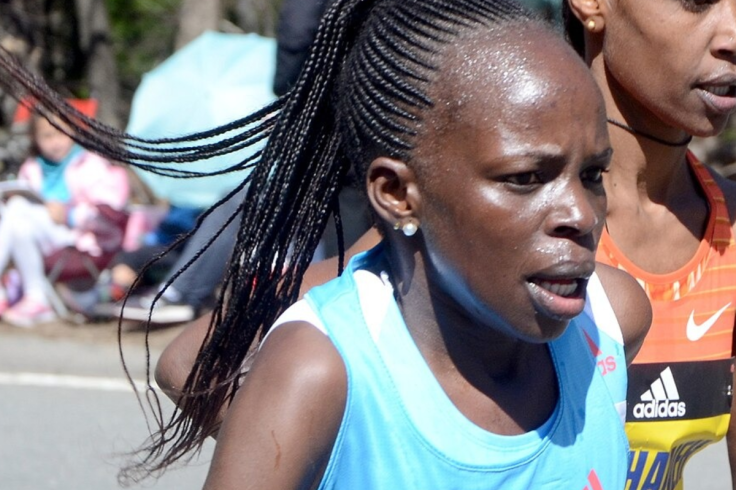
Olympic marathon champion Peres Jepchirchir has received a three-year ban after admitting anti-doping violations involving erythropoietin (EPO), with her 2026 Sydney Marathon victory set to be stripped.
The 33-year-old Kenyan runner returned an adverse analytical finding for the banned blood-boosting drug in a sample collected before her August victory. The Athletics Integrity Unit (AIU) confirmed the sanction on 19 November.
Jepchirchir initially denied using EPO and said she did not know how the substance entered her system. She later accepted the anti-doping violations and agreed to the consequences without challenging the test result.
Her ban was reduced from four years to three after she accepted the violations and agreed to the consequences without contesting the case. Jepchirchir accepted the disqualification of all her competitive results from 17 July 2026, including her Sydney victory.
Irine Cheptai, who finished second, is set to be crowned the women's race winner once the decision becomes final and binding after the 30-day appeal window.
Epo Doping Case Strips Jepchirchir of Sydney Marathon Victory
Jepchirchir is one of Kenya's most successful distance runners. She won Olympic marathon gold at the Tokyo Games in 2021 and claimed the world championship title in 2025.
Her major marathon victories also include New York in 2021, Boston in 2022 and London in 2024.
The positive result came from an out-of-competition sample collected in Kenya before the Sydney race. The finding was reported on 17 September, according to the AIU.
Jepchirchir was provisionally suspended in October before accepting the anti-doping violations.
Two More Kenyan Distance Runners Receive Doping Bans
Jepchirchir was not the only Kenyan athlete sanctioned in the latest cases.
Veronica Loleo, who won silver in the half-marathon at the 2026 World Road Running Championships, received a three-year ban after admitting anti-doping violations involving EPO. She also accepted the disqualification of her results from 6 September 2026, including her silver-medal finish.
Loleo denied knowing how the substance entered her body during an interview with the AIU. She said she had received an injection for an injury and related pain but could not remember the medication's name.
Meanwhile, Ronald Korir received a six-year suspension after abnormalities in his Athlete Biological Passport remained unexplained.
The 35-year-old finished fourth in the 2023 Berlin Marathon. His disqualification covers results dating back to 19 January 2024, according to reporting on the AIU decision.
AIU chief executive Brett Clothier said Kenya had made progress against doping but still faced significant challenges. He urged stronger national anti-doping enforcement and action against criminal networks supplying prohibited substances.
How EPO Doping Can Affect an Athlete's Health
EPO is a hormone that stimulates the bone marrow to produce red blood cells. Doctors use synthetic forms to treat certain types of anaemia, including cases linked to severe kidney disease.
More red blood cells can increase the amount of oxygen carried to working muscles. This can improve endurance performance, which makes EPO attractive to athletes competing in long-distance events.
However, using EPO without medical supervision can carry serious health risks. Raising red blood cell levels excessively can make blood thicker and increase the risk of dangerous clots.
The Mayo Clinic warns that EPO doping can raise the risk of heart attacks, strokes and blood clots blocking arteries in the lungs.
These complications can be life-threatening, particularly when athletes use substances to improve performance without appropriate medical monitoring.
Jepchirchir's case adds to scrutiny of Kenya's athletics system ahead of the country hosting the 2029 World Athletics Championships. The latest sanctions also renew questions about how prohibited drugs reach elite competitors.