
Dengue Fever Can Become Life-Threatening After Fever Subsides, Experts Warn
An estimated 40,000 people worldwide die from severe dengue every year, according to US Centers for Disease Control and Prevention figures. The danger often arrives after the fever has gone.
Dr Joshua Wong, who led a CDC clinical care team, said patients often misread a falling temperature. 'Patients sometimes can wait too long before they seek help,' he said.
Severe dengue can take hold within hours, Wong warned. Blood vessels can leak, sending blood pressure crashing.
Warning signs usually begin a day or two after the temperature falls. Spotting them early changes the odds.
The CDC says intensive fluids given into a vein can cut the risk of death from severe dengue to below 0.5 per cent. Delay narrows that chance.
Why Fever Falling Signals Danger
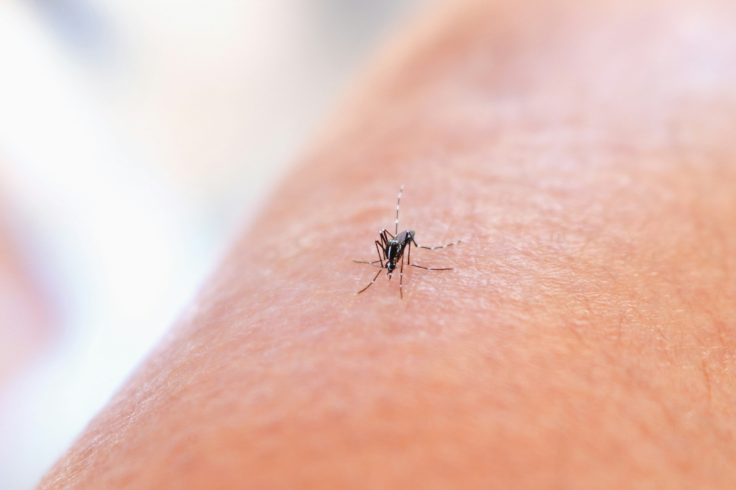
Dengue is caused by the dengue virus and spread by infected Aedes mosquitoes, the World Health Organization says. Most people who catch it have mild illness or none at all.
Symptoms usually appear four to 10 days after infection and last two to seven days. They include high fever, severe headache, pain behind the eyes, muscle aches and rash.
Most people recover within one to two weeks. A smaller number slip into severe dengue and need hospital care.
The critical phase begins as the fever settles and usually lasts a day or two. Patients can appear well even as the early signs of shock set in.
Once blood pressure falls, the decline can be rapid and hard to reverse. Severe cases may also bring heavy bleeding inside the body, the CDC says.
Warning Signs That Need Care
Severe dengue is a medical emergency, the CDC says. Signs include severe stomach pain or tenderness, repeated vomiting and bleeding from the nose or gums.
Other red flags are blood in the vomit or stools, fast breathing and intense thirst. Extreme tiredness, restlessness and pale, cold skin are also listed by the WHO.
The CDC says three in four infected people never feel ill. Of those who do fall sick, about one in 20 becomes very unwell.
Some groups face a higher risk of serious illness. The CDC points to infants, people over 65 and those with diabetes, high blood pressure or chronic kidney or liver disease.
Anyone infected before is also more vulnerable, the WHO says. Protection after an infection lasts only against the type of virus caught, according to the CDC.
Care in the Danger Window
There is no specific treatment for dengue, the WHO says. Pain can be eased with paracetamol, while ibuprofen and aspirin should be avoided because they raise the risk of bleeding.
Rest and plenty of fluids are advised, with a doctor contacted as soon as severe symptoms appear. Hospital care is often needed once dengue turns severe.
Fatigue may linger for several weeks afterwards, the WHO says. Patients can feel drained long after the fever has gone.
Rising Cases and Simple Defences
Cases have climbed worldwide, with more than 14.6 million recorded in 2024, the WHO says. Over 12,000 dengue-related deaths were reported that year.
The Florida Department of Health has placed Hillsborough and Pinellas counties under mosquito-borne illness alerts. The Florida Mosquito Control Association reported 30 confirmed cases in Hillsborough and seven in Miami-Dade.
Three cases were recorded in Pinellas County and one in Palm Beach. Locally acquired means people caught the virus at home rather than abroad.
Prevention rests on avoiding bites, as the mosquitoes that spread dengue bite by day. Covering up, using repellents with DEET, picaridin or IR3535 and emptying standing water weekly are advised.
Frequently Asked Questions
- What are the warning signs of severe dengue?Warning signs include severe stomach pain, repeated vomiting, bleeding from the nose or gums, blood in vomit or stools, fast breathing, intense thirst, extreme tiredness, restlessness, and pale, cold skin.
- How can severe dengue be treated?There is no specific treatment for dengue. Pain can be eased with paracetamol, and rest and plenty of fluids are advised. Hospital care is often needed once dengue turns severe.
- Who is at higher risk of severe dengue?Infants, people over 65, and those with diabetes, high blood pressure, or chronic kidney or liver disease are at higher risk. Those previously infected with dengue are also more vulnerable.
- How can dengue be prevented?Prevention involves avoiding mosquito bites by covering up, using repellents with DEET, picaridin, or IR3535, and emptying standing water weekly.